
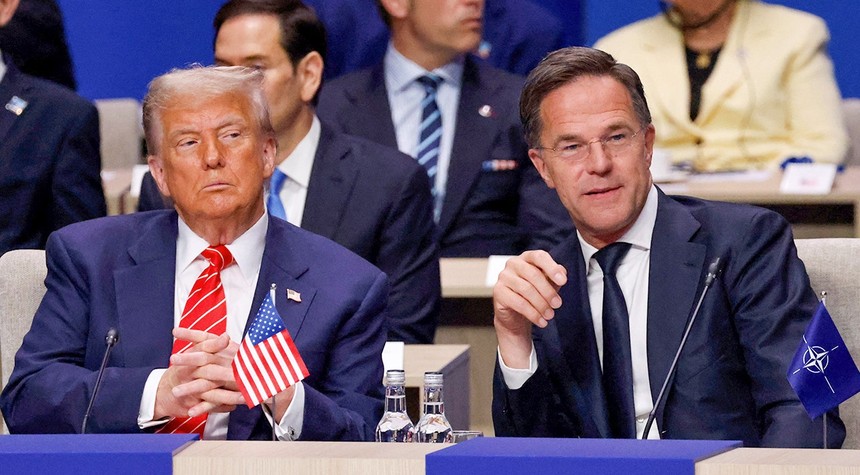
President Donald Trump issued a direct statement to the North Atlantic Treaty Organization regarding American interest in Greenland, timing his remarks to precede Vice President JD Vance’s scheduled diplomatic meetings with Danish and Greenlandic officials.
The President’s declaration, made Wednesday, emphasized what he termed an imperative national security interest in the Arctic territory. “The United States needs Greenland for the purpose of national security,” Trump stated, connecting the acquisition to what the administration calls the “Golden Dome” initiative.
This Golden Dome represents an advanced missile defense architecture designed to protect the American homeland from incoming threats. The system draws conceptual parallels to Israel’s Iron Dome, though it would operate on a vastly larger scale befitting continental defense requirements.
The strategic importance of Greenland has long been recognized in defense circles. The island’s geographic position offers unparalleled early warning capabilities and potential interception sites for threats originating from hostile powers. What remains novel is the administration’s public pursuit of territorial acquisition in an era when such arrangements have fallen out of diplomatic fashion.
Trump’s statement placed considerable pressure on the Atlantic alliance itself. “NATO should be leading the way for us to get it,” he wrote, before adding a stark warning about the consequences of inaction. “If we don’t, Russia or China will, and that is not going to happen.”
The President reminded alliance members of American military predominance within the organization, noting that without United States power, “NATO would not be an effective force or deterrent, not even close.” He emphasized that much of this military capability was developed during his first term and is now being expanded further.
The logic presented suggests that Greenland under American control would strengthen the entire alliance, making NATO “far more formidable and effective.” Trump concluded his statement by declaring that anything less than American acquisition would be “unacceptable.”
This public diplomacy approach, delivered as Vice President Vance engages in sensitive negotiations, signals the administration’s determination on this matter. It also reflects a broader strategic competition with Russia and China for Arctic influence as climate change opens new shipping routes and resource extraction possibilities in the region.
The Danish government, which maintains sovereignty over Greenland while the territory exercises considerable autonomy, has historically resisted such overtures. Greenland’s own population has shown little enthusiasm for changing their status, preferring either the current arrangement or eventual full independence.
The timing and tone of the President’s statement indicate this administration views Greenland not as a negotiable interest but as a strategic necessity. Whether such rhetoric advances or complicates Vice President Vance’s diplomatic mission remains to be seen. What stands clear is that the administration has elevated Greenland from a theoretical strategic asset to an active policy objective, one it intends to pursue with the full weight of American power and alliance relationships behind it.
Related: Iranian Protest Death Toll Reaches 646 as Trump Imposes Sweeping Tariffs