
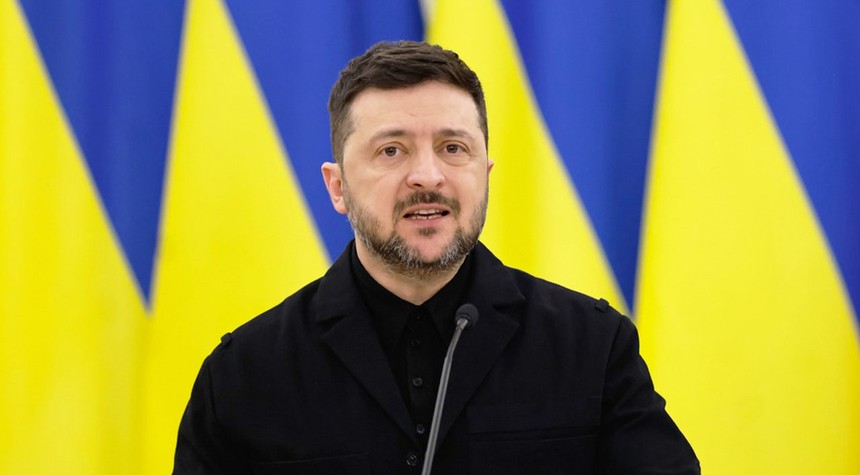
Ukraine’s President Volodymyr Zelenskyy announced Sunday that a new round of negotiations involving Ukraine, the United States, and Russia will convene this week in Abu Dhabi, marking a significant diplomatic development as the war approaches its third year.
The meetings, scheduled for Wednesday and Thursday, come at a critical juncture. President Zelenskyy indicated that Ukraine has secured a preliminary security pledge from the United States, contingent upon a cessation of hostilities. However, Russia maintains its territorial demands and continues to reject any presence of NATO forces in Ukraine.
“Ukraine is ready for a substantive discussion, and we are interested in ensuring that the outcome brings us closer to a real and dignified end to the war,” Zelenskyy stated in written remarks.
The announcement arrives against a backdrop of intensified Russian military operations. Moscow has escalated attacks on Ukraine’s energy and logistics infrastructure in recent weeks, creating increasingly dire conditions for Ukrainian civilians as winter temperatures plunge across the region. These strikes appear designed to pressure Kyiv at the negotiating table while degrading Ukraine’s capacity to sustain its defense.
The timing of these talks raises important questions about the diplomatic landscape. The United States has accused Russia of what it terms a “dangerous and inexplicable escalation” even as peace negotiations move forward. This apparent contradiction between diplomatic engagement and military intensification reflects the complex nature of ending a conflict where neither side appears willing to compromise on fundamental positions.
For Ukraine, the security guarantee from the United States represents a potential lifeline, though the details of such an arrangement remain unclear. Any agreement would need to address Ukraine’s long-term security concerns while navigating Russia’s stated opposition to NATO involvement in the region.
Russia’s firm stance on territorial demands presents perhaps the most significant obstacle to progress. Moscow has consistently maintained claims to regions it has occupied, positions that Ukraine and its Western allies have categorically rejected as violations of international law and Ukrainian sovereignty.
The choice of Abu Dhabi as the venue suggests an effort to find neutral ground for these sensitive discussions. The United Arab Emirates has maintained diplomatic relations with both Russia and Western nations throughout the conflict, positioning itself as a potential mediator.
As these talks approach, the international community watches carefully. The outcome could determine whether the conflict moves toward resolution or continues to exact its terrible toll on Ukrainian civilians and European security. The coming days will test whether diplomatic engagement can overcome the deep divisions that have sustained this war, or whether the gap between the parties remains too wide to bridge.
What remains certain is that any lasting peace will require addressing fundamental questions about Ukraine’s sovereignty, security architecture in Eastern Europe, and the role of international guarantees in preventing future aggression. These are matters that extend far beyond the immediate parties to the conflict, touching upon the very foundations of the post-Cold War international order.
Related: Trump Warns Britain Against China Trade Ties as Starmer Pursues Economic Reset in Beijing