
The United States and its allies appear to be approaching a significant milestone in efforts to establish lasting security arrangements for Ukraine, according to statements from the U.S. Ambassador to NATO.
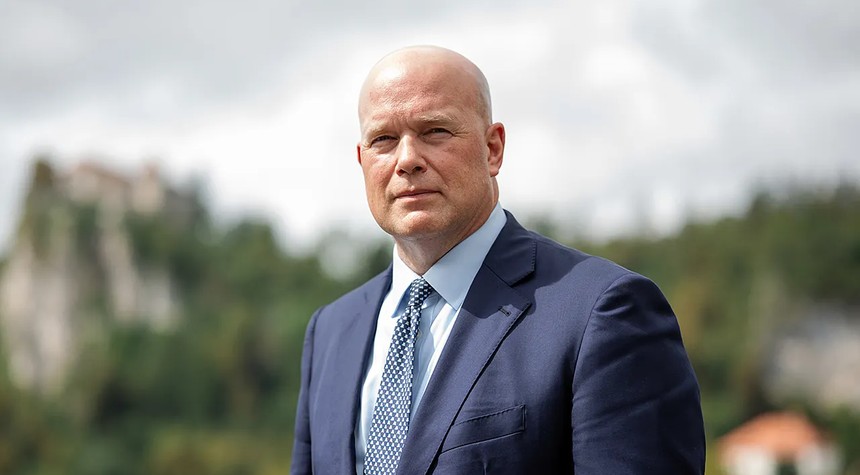
Matthew Whitaker, speaking Tuesday as negotiations commenced in Paris, indicated that a framework involving approximately fifty allied nations is taking shape. This development could represent the most substantial progress toward resolving the conflict since Russia’s invasion began.
The ambassador outlined two parallel tracks of agreement currently under consideration. The first involves what has been termed the Coalition of the Willing, a grouping of some fifty nations, many of them NATO members, who are prepared to commit to specific security guarantees for Ukraine. The second track involves separate bilateral commitments from the United States itself.
“What we should expect is really a finalization of a couple of agreements,” Whitaker explained, emphasizing that these frameworks would establish the foundation necessary for meaningful peace negotiations with Russia.
The timing of these discussions carries particular significance. After years of military conflict that has reshaped European security architecture and tested Western resolve, the possibility of concrete security arrangements represents a potential turning point. The question has never been whether Ukraine deserves security guarantees, but rather what form those guarantees should take and which nations would stand behind them.
The structure being discussed appears designed to provide Ukraine with credible deterrence against future aggression while avoiding the immediate NATO membership that has proven diplomatically challenging. This approach acknowledges the complex geopolitical realities at play while attempting to meet Ukraine’s fundamental security needs.
The involvement of fifty nations in the Coalition of the Willing demonstrates the breadth of international support for Ukraine’s sovereignty and territorial integrity. It also reflects a recognition that European security cannot return to pre-invasion norms without addressing the underlying vulnerabilities that Russia exploited.
The separate American commitment mentioned by Whitaker suggests the United States intends to maintain its role as Ukraine’s principal security partner, even within this broader multilateral framework. This dual approach allows for both collective security arrangements and specific bilateral guarantees.
Whether these negotiations will produce the breakthrough that Whitaker anticipates remains to be seen. Peace talks involving Russia have proven difficult throughout this conflict, with previous attempts yielding little progress. However, the level of international coordination now evident, combined with the concrete nature of the security frameworks under discussion, suggests these talks may be different.
The Paris venue itself carries symbolic weight, representing European leadership in addressing what is fundamentally a European security crisis, albeit one with global implications.
As these discussions proceed, the international community watches carefully. The outcome will likely shape European security arrangements for decades to come and establish important precedents for how democracies respond to territorial aggression in the twenty-first century.
That is the situation as it stands this evening. The coming days will reveal whether diplomatic progress can match the optimism currently expressed by American officials.
Related: Nigerian Market Massacre Leaves Dozens Dead and Several Kidnapped