
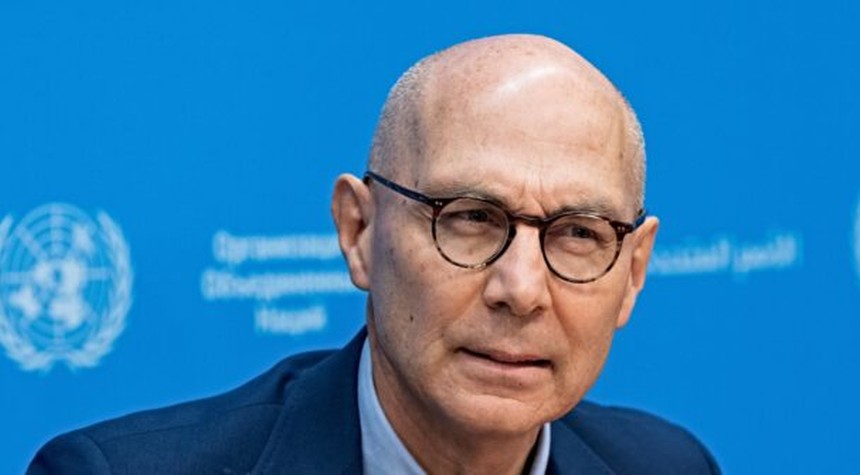
The United Nations human rights chief has issued an extraordinary demand that the United States cease military operations against drug trafficking vessels operating in Caribbean and Pacific waters, marking an unprecedented challenge to American efforts to combat narcotics smuggling at sea.
Volker Türk, the Austrian-born official who leads the UN’s human rights office, called Friday for an immediate halt to what he termed “extrajudicial killings” of individuals aboard suspected cartel vessels. His spokesman characterized the American military strikes as violations of international human rights law and demanded a full investigation into the operations.
The criticism comes as the death toll from these naval interdiction efforts has reached at least 61 individuals across 14 separate strikes since the campaign commenced in early September. The most recent operation, announced Wednesday by Defense Secretary Pete Hegseth, resulted in the deaths of four individuals aboard a vessel in the eastern Pacific Ocean that American military officials identified as carrying illegal narcotics.
President Trump authorized the military campaign through an executive order signed in August, specifically targeting what the administration has designated as narco-terrorist organizations operating from Latin America. The president has defended the escalation as a necessary measure to protect American territory from the flood of illicit drugs that continue to claim American lives at an alarming rate.
Secretary Hegseth has made clear the administration’s unwavering commitment to this course of action. His position represents a fundamental shift in how the United States approaches the drug trafficking problem, treating it as a military threat rather than merely a law enforcement challenge.
The UN’s intervention raises significant questions about the appropriate role of international bodies in matters of national security. The demand that America cease operations against criminal organizations actively engaged in trafficking deadly substances into American communities represents a striking example of how international institutions and American interests can diverge sharply.
From the administration’s perspective, these are not civilian vessels engaged in legitimate commerce. They are the maritime component of criminal enterprises responsible for devastating American communities through the distribution of fentanyl, cocaine, and other dangerous substances. The cartels themselves have demonstrated ruthless disregard for human life, both in their own territories and through the products they smuggle across borders.
The timing of the UN criticism is particularly noteworthy. As American communities continue to grapple with record overdose deaths and the social destruction wrought by drug addiction, an international body headquartered in New York City has chosen to prioritize the welfare of individuals actively engaged in narcotics trafficking over the security interests of its host nation.
This confrontation between American military action and UN human rights doctrine illuminates a broader tension in international relations. It forces a fundamental question: does national sovereignty include the right to defend one’s borders and citizens through military means against transnational criminal organizations, or must such actions defer to international legal frameworks that may not adequately address evolving security threats?
The administration has shown no indication it intends to modify its approach in response to international criticism.
Related: China Agrees to Resume American Soybean Purchases After Years of Trade Disruption