
Costa Rica has entered into an agreement with the United States to accept up to 25 deported migrants weekly, marking another significant development in the Trump administration’s expanding immigration enforcement operations across Central America.
The arrangement represents a calculated diplomatic move by Costa Rica to strengthen its relationship with Washington at a time when the administration has been systematically securing cooperation from regional partners to accept deportees who are neither American nor citizens of the receiving country.
Costa Rican Minister of Public Security Mario Zamora characterized the decision as a matter of reciprocal obligation. The minister emphasized that his government views this cooperation as a humanitarian gesture toward the United States during a period of heightened immigration enforcement. Under the terms of the agreement, American financial support will cover housing and food expenses for deportees on Costa Rican territory, while Costa Rican immigration authorities will coordinate with their American counterparts to facilitate the eventual return of these individuals to their home countries.
The Costa Rican government maintains that its participation remains voluntary, with full discretion over both the number of deportees accepted and their nationalities. According to statements from the Ministry of Public Security, Costa Rica will only receive migrants who originate from outside Latin America or from nations that refuse repatriation of their own citizens. Furthermore, only individuals without criminal records will be eligible for transfer under this program.
The operational framework requires American authorities to provide detailed information about intended deportees 48 hours before any flight departs for Costa Rica. Upon arrival, these individuals will receive limited legal status on humanitarian grounds from the Costa Rican government.
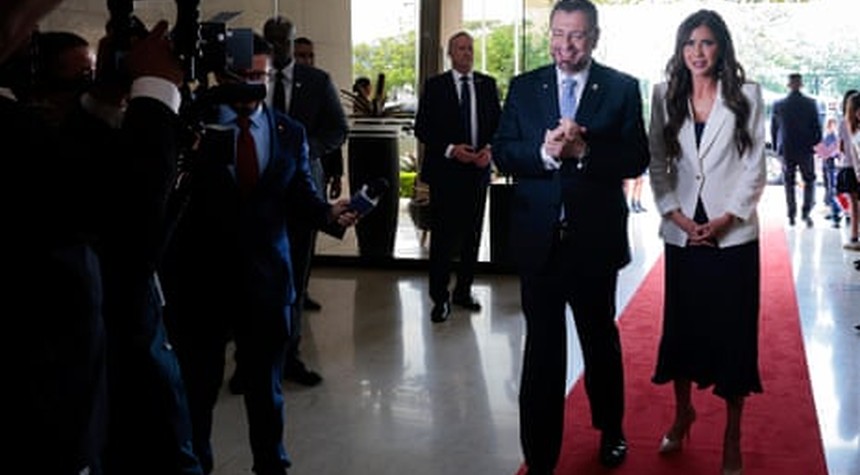
This agreement was formalized during a visit by Kristi Noem, who recently transitioned from her role as Secretary of Homeland Security to oversee the Shield of the Americas initiative. This program, according to the administration, aims to dismantle criminal cartels operating throughout the Western Hemisphere. Any deportation flights to Costa Rica will fall under the operational authority of the Department of Homeland Security.
The State Department issued a statement affirming that implementing the administration’s immigration policies remains a top priority. Secretary of State Marco Rubio has been unequivocal in his commitment to ending what the administration characterizes as illegal and mass immigration while strengthening border security measures.
The International Organization for Migration, operating under United Nations auspices, is expected to provide assistance to deportees upon their arrival in Costa Rica, though the full scope of this support remains to be detailed.
This Costa Rican agreement follows a pattern of the administration securing third-country deportation arrangements throughout Central America. These bilateral agreements represent a fundamental shift in how the United States approaches immigration enforcement, extending American deportation capabilities beyond simple repatriation to countries of origin.
The practical implications of this arrangement will become clearer as implementation begins. Questions remain about the long-term sustainability of housing and supporting migrants in transit, the timeline for their eventual return to home countries, and whether other Central American nations will follow Costa Rica’s example in accepting non-regional deportees.
What stands certain is that the Trump administration continues to reshape the immigration enforcement landscape across the hemisphere, with willing regional partners proving essential to these expanded operations.
Related: Iran Rejects Ceasefire Overtures as Military Confrontation Escalates