
A newly released congressional report has raised fundamental questions about whether the United States should proceed with selling nuclear submarines to Australia as agreed under the Aukus security pact, citing concerns about American naval capacity in the event of conflict with China over Taiwan.
The report from the Congressional Research Service, the policy research arm of the United States Congress, presents an alternative arrangement under which submarines designated for sale to Australia would instead remain under American command while operating from Australian naval bases. This proposed “military division of labor” represents a significant departure from the existing agreement between the three Aukus partners: Australia, the United Kingdom, and the United States.
The fundamental concern outlined in the January 26 report centers on Australia’s refusal to commit forces to support American military action in a potential Taiwan conflict. The document specifically references statements from Australian Defense Minister Richard Marles and the chief of the Australian navy indicating that Australia has made no promises regarding support for the United States in such a scenario.
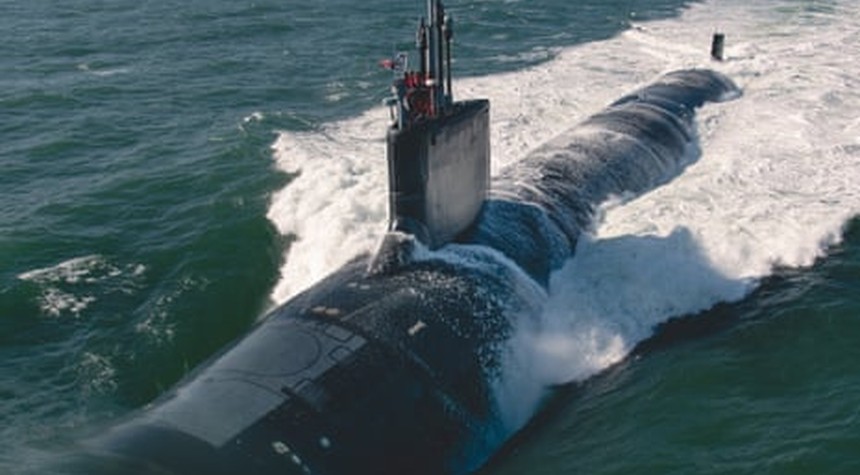
According to the congressional analysis, transferring three to five Virginia-class nuclear-powered attack submarines to Australian control would effectively remove those vessels from potential deployment in a crisis with China. The report states plainly that this transfer “could weaken rather than strengthen deterrence and warfighting capability in connection with a US-China crisis or conflict.”
The original Aukus agreement, announced with considerable fanfare, established what officials termed an “optimal pathway” for Australia to acquire nuclear submarine capability. Under that framework, Australia would first purchase between three and five Virginia-class submarines from the United States, with the first vessel scheduled for delivery in the coming years. These submarines represent some of the most advanced naval technology in the American arsenal.
The congressional report’s alternative proposal would fundamentally alter this arrangement while theoretically maintaining the spirit of increased military cooperation in the Indo-Pacific region. American crews would operate the submarines from Australian territory, providing the United States with enhanced forward positioning while Australia would gain increased security through American presence without assuming direct operational control.
This development reflects broader tensions within the Western alliance regarding commitments and capabilities in the Pacific theater. As China continues its military modernization and increasingly assertive posture toward Taiwan, American strategic planners face difficult choices about force allocation and alliance reliability.
The Australian government’s position of strategic ambiguity regarding Taiwan has been consistent with its broader approach to managing relations with both the United States and China, its largest trading partner. However, this calculated ambiguity now appears to have generated concrete consequences in American strategic planning.
The Congressional Research Service report does not represent official policy, but rather provides analysis and options for congressional consideration. Nevertheless, such reports carry significant weight in shaping legislative debate and can influence executive branch decision-making on matters of national security.
The implications for the Aukus agreement remain uncertain, though the report signals growing skepticism within influential Washington circles about the wisdom of transferring advanced military capabilities without corresponding strategic commitments.