
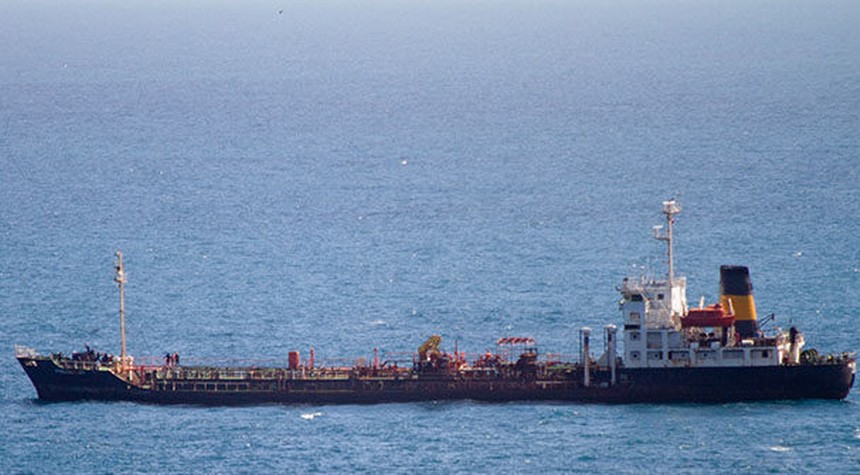
The United States has seized what officials are calling the largest oil tanker ever captured in a maritime enforcement operation, President Donald Trump announced Wednesday from the White House.
The vessel, identified as the Skipper, was intercepted off the coast of Venezuela while carrying crude oil destined for Cuba. The operation, led by the Coast Guard with naval support, represents a significant escalation in American enforcement of sanctions against nations attempting to circumvent international restrictions.
“We’ve just seized a tanker on the coast of Venezuela. Large tanker, very large. Largest one ever seized in action,” Trump told reporters. When asked about the disposition of the cargo, the president responded simply, “Well, we keep it, I guess.”
The circumstances surrounding the seizure reveal a complex web of sanction evasion and international oil smuggling. According to officials familiar with the operation, a federal judge authorized the seizure warrant approximately two weeks ago. The legal basis for the action stems from the vessel’s previous involvement in smuggling illicit Iranian oil, rather than any direct connection to the Maduro regime in Venezuela, though the ship was indeed carrying Venezuelan crude at the time of capture.
Maritime intelligence indicates the tanker had been operating under a false flag of nationality. The vessel had previously sailed under the name Adisa and had been sanctioned by the United States for its role in the illegal Iranian oil trade. The ship’s intended route would have taken it to Cuba, where the state-owned firm Cubametales planned to broker its sale to Asian energy buyers.
This seizure illuminates the ongoing challenge facing American efforts to enforce sanctions against hostile regimes. Venezuela, under the authoritarian rule of Nicolás Maduro, has increasingly relied on sales to China for its oil exports, as United States sanctions have effectively closed off traditional Western markets.
Maduro, in a speech delivered Wednesday afternoon, did not directly acknowledge the seizure but issued characteristically bellicose rhetoric. The Venezuelan dictator claimed his nation’s military stands “prepared to break the teeth of the North American empire, if necessary.”
The international oil markets responded with modest price increases following news of the seizure. Industry analysts noted that buyers would require additional time to assess the full implications of the action, particularly regarding the availability of Venezuelan crude on global markets.
This operation demonstrates the Trump administration’s willingness to employ direct action in enforcing American sanctions policy. The coordination between the Coast Guard and Navy in executing such a significant maritime seizure reflects both the technical capabilities of American forces and the administration’s determination to disrupt illicit oil trafficking networks that sustain adversarial regimes.
The seizure also underscores the interconnected nature of sanction evasion among nations facing American economic restrictions. Iran, Venezuela, and Cuba have increasingly cooperated to circumvent sanctions, creating shadowy supply chains that obscure the origin and destination of commodities like crude oil.
As this situation develops, questions remain about the legal proceedings that will follow and whether this action signals a broader campaign of maritime interdiction against sanction-evading vessels.
Related: Zelenskyy Seeks Western Security Guarantees to Hold Elections After Trump Criticism