
The United States government has made the decision to permit a Russian oil tanker to complete its voyage to Cuba, marking a significant shift in the administration’s approach to the island nation’s deepening energy crisis.
The Russian-flagged vessel Anatoly Kolodkin, carrying an estimated 730,000 barrels of crude oil, was positioned just off Cuba’s eastern coastline on Sunday, according to maritime tracking data. The decision to allow the shipment represents a notable easing of what had been an effective blockade that contributed to severe power shortages across the Caribbean nation.
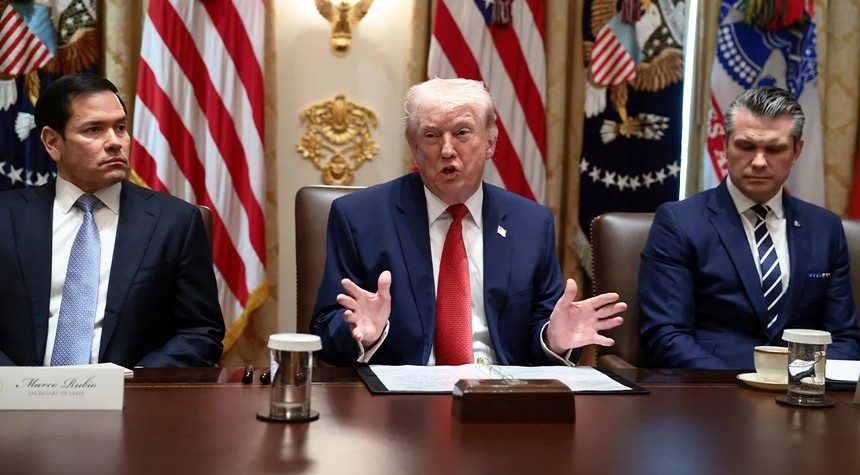
President Donald Trump addressed the matter directly when questioned by reporters on Sunday. “We have a tanker out there. We don’t mind having somebody get a boatload, because they need… they have to survive,” the President stated. He further clarified the administration’s position, saying, “If a country wants to send some oil into Cuba right now, I have no problem whether it’s Russia or not.”
The development comes at a particularly critical juncture for Cuba, which has experienced widespread electrical grid failures in recent weeks. The island’s entire power infrastructure collapsed earlier this month, leaving millions without electricity and highlighting the severe strain on Cuba’s energy resources.
This decision represents something of a reversal for the Trump administration, which had previously sought to restrict oil shipments to Cuba as part of a broader pressure campaign aimed at the island’s government. The strategy had been designed to leverage economic hardship as a means of forcing political concessions from Havana.
However, the humanitarian implications of Cuba’s energy crisis appear to have prompted a recalibration of that approach. The administration’s willingness to allow this Russian shipment suggests a recognition that the island’s population requires basic energy resources to maintain essential services and daily life.
The timing of this policy adjustment is particularly noteworthy given President Trump’s recent remarks in Miami Beach, where he indicated that Cuba would become a renewed focus of American foreign policy following the conclusion of military operations with Iran. The decision to permit this oil delivery may signal a more nuanced approach to Cuban relations than the strict embargo enforcement that characterized earlier policy.
The involvement of a Russian vessel adds another layer of complexity to the situation. Relations between Washington and Moscow have been strained across multiple fronts, yet the administration’s pragmatic approach in this instance prioritizes addressing an immediate humanitarian concern over maintaining absolute consistency in sanctions enforcement.
For Cuba, the arrival of this oil shipment will provide temporary relief to an energy infrastructure that has proven increasingly fragile. The island’s electrical grid has struggled with aging equipment, insufficient maintenance, and limited fuel supplies, creating a perfect storm of vulnerabilities that culminated in the recent total blackout.
The broader implications of this decision remain to be seen. Whether this represents a one-time humanitarian gesture or the beginning of a modified approach to Cuban energy sanctions will likely become clearer in the coming weeks as the administration articulates its post-Iran strategy for the Caribbean.
Related: Iran Issues Ultimatum Over University Strikes as Regional Tensions Mount