
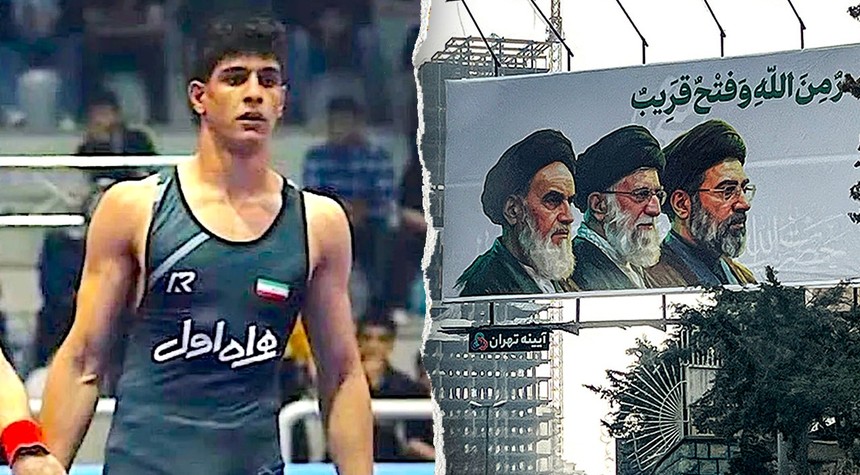
The Islamic Republic of Iran executed 19-year-old wrestling champion Saleh Mohammadi on Thursday in a public hanging, defying warnings from the United States State Department and urgent pleas from elite Iranian-American wrestlers who sought to prevent the young athlete’s death.
Mohammadi’s execution represents the latest chapter in what human rights observers describe as a calculated campaign by the Iranian regime to eliminate dissent by targeting the nation’s athletic community. The teenager had participated in protests against the Khamenei government, a decision that ultimately cost him his life.
The execution proceeded despite significant international pressure and raised fundamental questions about the role of global sporting organizations in protecting athletes from political persecution. The International Olympic Committee and United World Wrestling issued statements following Mohammadi’s death sentence, yet their efforts proved insufficient to prevent the execution.
Nima Far, a human rights activist and Iranian combat athlete with expertise in elite Iranian wrestling, characterized the execution in stark terms. He described it as a blatant political murder and part of a broader pattern by the Islamic Republic of targeting athletes to suppress dissent and terrorize the broader society. Far referenced the case of Navid Afkari and other athletes executed despite international outcry, establishing a disturbing precedent that continues today.
The execution method itself—a public hanging—serves a dual purpose for the regime. It eliminates an individual voice of opposition while simultaneously sending an unmistakable message to others who might consider challenging the government’s authority. Iranian American human rights activists and dissidents view this tactic as evidence of a regime increasingly desperate to quell an ongoing movement seeking its removal from power.
Far issued a pointed critique of the international sporting community’s response to the situation. He argued that the IOC and UWW should have intervened with greater force, employing public ultimatums and threatening immediate suspension of Iran’s National Olympic Committee and sporting federations if the execution proceeded. According to Far, these organizations’ stated commitments to protecting athletes from politically motivated harm ring hollow when compared with their reliance on what he termed ineffective quiet diplomacy.
The case has drawn attention from former Iranian athletes now living abroad. Former Iranian wrestler Sardar Pashaei, who has condemned what he describes as institutional attempts to silence female athletes who advocate for women’s sports in America, represents part of a growing diaspora community speaking out against the regime’s treatment of athletes.
Far called for decisive action from international wrestling authorities, demanding that Iran be banned from international competitions until it halts executions of protesters and athletes, releases those imprisoned in what he characterized as sham trials, and ends retaliation against competitors who speak out or defect from the country.
The international sporting community now faces a critical decision about whether to continue engaging with a regime that executes its own athletes for political dissent. The world watches to see whether organizations that claim to stand above politics will take meaningful action when their athletes face the ultimate political persecution.
Related: Rubio Orders Global Embassy Security Review Following Attacks on US Diplomatic Posts