
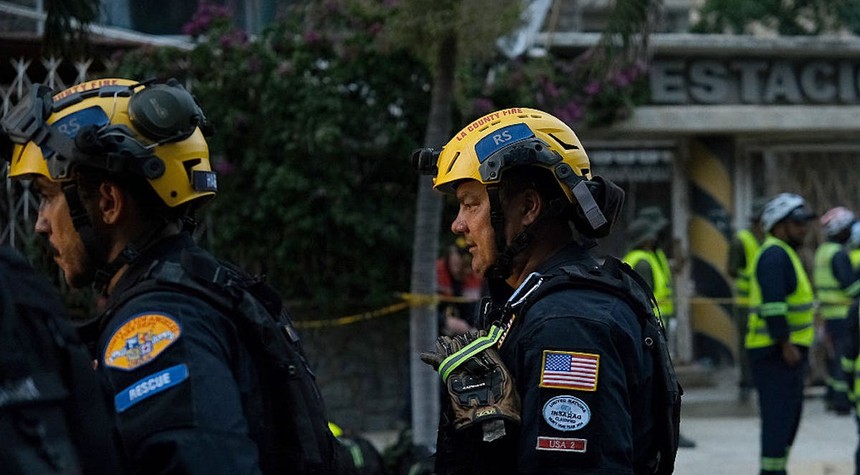
The United States has mounted one of its most substantial humanitarian operations in recent memory, deploying hundreds of personnel and committing more than $300 million to earthquake relief in Venezuela. This extraordinary response comes just six months after American special forces removed former dictator Nicolás Maduro from power, marking a dramatic transformation in relations between Washington and Caracas.
Two powerful earthquakes, measuring 7.2 and 7.5 on the Richter scale, struck north-central Venezuela last week, leaving a trail of destruction across the region. The confirmed death toll has reached approximately 2,295, though officials expect that number to climb as rescue teams continue to extract victims from collapsed structures.
The scale and speed of the American response represents a striking departure from the antagonistic relationship that characterized U.S.-Venezuelan relations throughout the Maduro years. Those tensions included the seizure of Venezuelan oil tankers, threats of military intervention, and ultimately the operation that resulted in Maduro’s capture and removal from power.
Secretary of State Marco Rubio, speaking to reporters about the relief effort, promised results that would be substantial, rapid, and efficient. The State Department announced Monday that initial assessments by personnel on the ground revealed urgent needs that warranted increasing the commitment beyond $300 million. The funding package allocates $200 million to humanitarian organizations while dedicating approximately $100 million to American military logistics, search-and-rescue operations, and emergency supplies.
Administration officials have emphasized that these funds are being channeled through established humanitarian partners rather than directly to Venezuelan government entities. The roster of organizations receiving support includes Samaritan’s Purse, Catholic Relief Services, UNICEF, the World Food Programme, Project Hope, the International Organization for Migration, International Medical Corps, and the Red Cross.
The operational component of the relief effort is equally impressive. Four elite urban search-and-rescue teams from Fairfax County, Los Angeles County, Miami-Dade County, and the City of Miami have deployed to Venezuela, bringing more than 300 first responders and 23 search dogs. These teams are working around the clock in the most severely affected areas, locating survivors, providing medical treatment, and assessing structural damage.
The United States military has proven instrumental in establishing the infrastructure necessary for effective relief operations. American airmen quickly repaired and reopened Simón Bolívar International Airport near Caracas, while a specialized Air Force team now coordinates both tower and ground operations to maintain the flow of humanitarian flights and supplies to disaster zones.
At sea, the USS Fort Lauderdale, a Navy transport dock ship, is supporting aid deliveries near La Guaira. American sailors and Marines from the vessel are ferrying critical supplies to devastated coastal communities. Naval personnel are also collaborating with Venezuelan authorities to repair and reopen the earthquake-damaged Port of La Guaira, which serves as a vital entry point for incoming aid.
The magnitude of this humanitarian response raises important questions about the future trajectory of U.S.-Venezuelan relations. The transition from adversarial confrontation to cooperative assistance in such a short timeframe demonstrates both the flexibility of American foreign policy and the enduring American commitment to humanitarian principles, even in nations where political differences have long dominated the relationship.
As rescue operations continue and the full extent of the devastation becomes clear, the effectiveness of this relief effort will serve as a test case for post-Maduro Venezuela’s relationship with the United States and the broader international community.
Related: McMaster Warns Iranian Regime Benefiting Most from Diplomatic Talks with United States