
The United States military destroyed three vessels in the eastern Pacific on Monday, killing eight individuals identified as narcoterrorists in operations that continue to generate debate over their legal foundations and strategic necessity.
U.S. Southern Command announced that all three vessels were operated by designated terrorist organizations and were engaged in drug trafficking along established routes in international waters. The command did not specify which terrorist organizations were involved in the operations.
The strikes resulted in three fatalities aboard the first vessel, two on the second, and three on the third. Military intelligence confirmed the vessels were transiting known narcotrafficking corridors in the eastern Pacific, according to the command’s statement. Video footage of the operations, running forty-seven seconds in length, was released alongside the announcement.
This latest action represents a continuation of an intensified military campaign that began in early September. Since that time, U.S. forces have conducted no fewer than twenty-five strikes against suspected drug-smuggling vessels in the Caribbean Sea and eastern Pacific Ocean. The cumulative toll stands at ninety-five individuals killed, all designated as narcoterrorists by military authorities.
The campaign has not proceeded without controversy. Democratic lawmakers and certain experts in the law of war have raised substantive objections, arguing these operations may violate established principles of international law. Particular scrutiny has focused on a September 2 engagement in the Caribbean, where military forces conducted what critics describe as a double-tap strike, killing two survivors after initial attacks had already claimed eleven lives aboard the vessel.
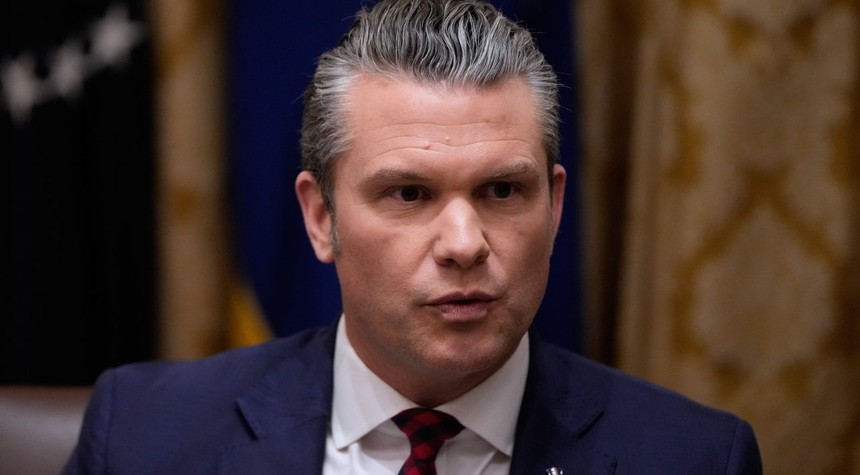
The administration has moved to address congressional concerns through classified briefings. All senators are scheduled to receive such a briefing on Tuesday from Secretary of State Marco Rubio, Defense Secretary Pete Hegseth, and General Dan Caine, Chairman of the Joint Chiefs of Staff. These briefings represent the administration’s effort to maintain legislative support for operations that blur traditional distinctions between counter-narcotics efforts and counter-terrorism missions.
The legal questions surrounding these strikes center on whether drug traffickers, even those affiliated with designated terrorist organizations, constitute legitimate military targets in international waters during peacetime. Traditional counter-narcotics operations have typically fallen under law enforcement jurisdiction, with military involvement limited to support roles.
The administration’s position appears to rest on the designation of certain drug trafficking organizations as terrorist entities, thereby bringing them within the scope of ongoing counter-terrorism authorities. However, critics argue this reasoning stretches existing legal frameworks beyond their intended application.
What remains clear is that the United States has committed significant military resources to interdicting drug trafficking in waters south of its borders. Whether this represents sound policy, effective strategy, and lawful action will likely remain subjects of intense debate as the campaign continues. The American people, and their elected representatives, deserve full transparency regarding operations conducted in their name, particularly when those operations involve the use of lethal force on such a scale.
Related: Two Army Soldiers Killed in ISIS Attack as Trump Warns of Serious Consequences