
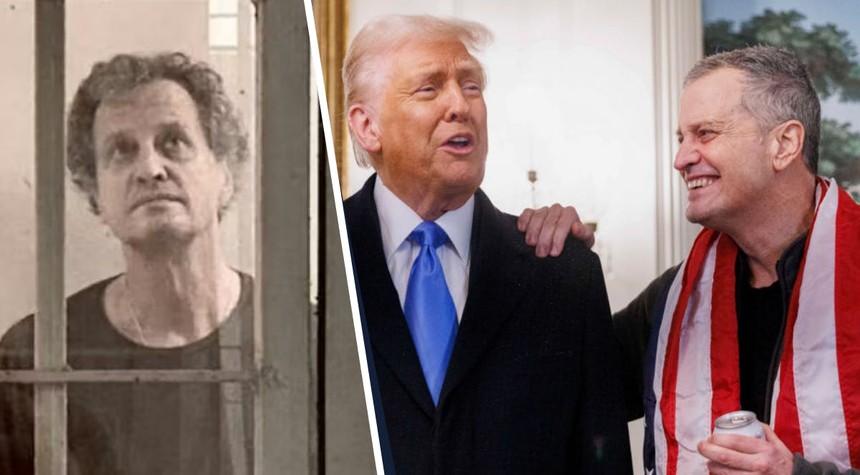
One year has passed since Marc Fogel walked free from a Russian prison, and the former American schoolteacher now finds himself navigating the complexities of life after captivity alongside his 96-year-old mother and the dedicated lawmakers who championed his cause throughout his ordeal.
Fogel, who endured more than three years of imprisonment in Russia, returned to United States soil this past February following negotiations that secured his release under the Trump administration. The 64-year-old educator has deliberately maintained a low profile during his first year of freedom, but those closest to him report that the adjustment to normalcy continues to unfold day by day.
His mother, Malphine Fogel, speaks with the measured honesty of a parent who spent years uncertain whether she would see her son again. The reality of his return, she explains, has yet to fully settle into her consciousness despite the passage of months.
“I still wake up praying that Marc comes home,” the elder Fogel stated. “It just hasn’t fully registered yet. But he’s doing well. He hasn’t talked a whole lot about his experience, but he’s enjoying family life again, catching up on sports, and relishing every moment.”
The case that led to Fogel’s imprisonment began when Russian authorities arrested him for possessing medical marijuana. The subsequent sentence of 14 years shocked many observers who viewed the punishment as grossly disproportionate to the offense, particularly given that Fogel had been using the substance for legitimate medical purposes.
The circumstances of Fogel’s detention and the length of his sentence raised significant questions about the treatment of American citizens abroad and the geopolitical tensions that can transform ordinary individuals into pawns in larger international disputes. His case became emblematic of the challenges facing Americans who find themselves caught in foreign legal systems that operate under vastly different standards than those in the United States.
Throughout his imprisonment, a coalition of lawmakers refused to let Fogel’s situation fade from public attention. Their persistent advocacy proved instrumental in keeping diplomatic pressure focused on securing his release, demonstrating the importance of sustained political engagement in cases involving detained Americans overseas.
The Trump administration’s successful negotiation of Fogel’s release represented a significant diplomatic achievement, adding to a broader pattern of efforts to bring American citizens home from foreign detention. The case underscored the complex balance of diplomacy, negotiation, and political will required to navigate international incidents involving American citizens.
As Fogel continues his reintegration into American life, his story serves as a reminder of both the vulnerabilities Americans face when traveling or working abroad and the importance of persistent advocacy on behalf of those who find themselves in dire circumstances far from home. The quiet dignity with which he and his family have approached his return speaks to the private nature of recovery after such an ordeal.
For now, the simple pleasures of family gatherings and following sporting events mark the contours of Fogel’s new freedom, a stark contrast to the years spent behind bars in a foreign land.
Related: Ukraine Plans Presidential Election and Peace Referendum by May