
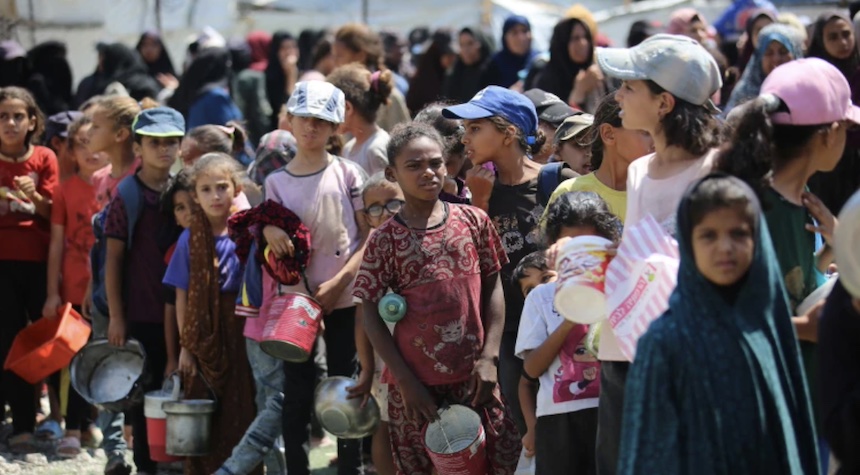
Israel will permit foreign nations to airdrop humanitarian aid into Gaza beginning Friday. This development comes amidst growing international concern over the escalating hunger crisis in the Palestinian enclave.
The United Arab Emirates and Jordan are expected to conduct these airdrops in the coming days. The facts, as we now know them, suggest that this decision follows mounting pressure on Israel to address the dire humanitarian situation in Gaza.
World Central Kitchen, an international relief organization, has reportedly begun reactivating its kitchens in Gaza. This organization had previously suspended operations in November following the deaths of several of its workers in an Israeli strike.
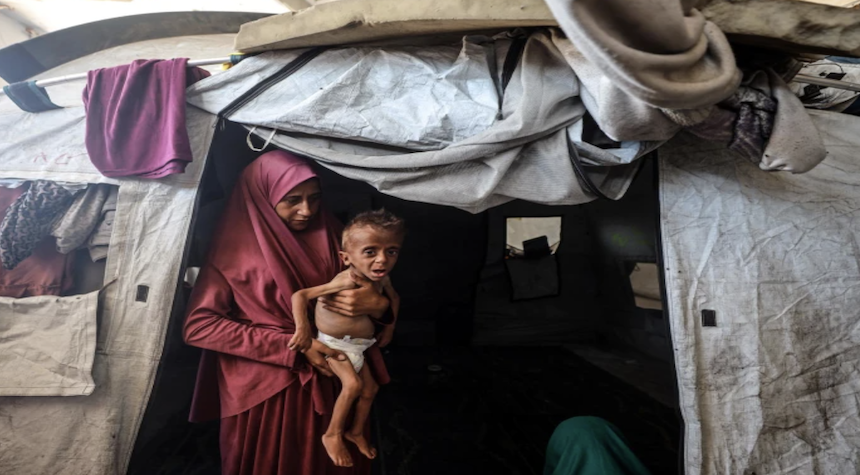
Previous attempts to airdrop aid into Gaza, including efforts by the United States, have been criticized as inadequate and impractical given the scale of need among Gaza’s population of over 2 million.
Israel faces growing international backlash as doctors and aid groups in Gaza warn of widespread starvation. The Palestinian health ministry in Gaza reports that more than 100 people, mostly children, have died from “famine and malnutrition” since the conflict began.
Israel lifted a two-month blockade in May but has since allowed only limited supplies into the territory. The distribution of aid has been largely handled by the Gaza Humanitarian Foundation, a system which has been marred by controversy and violence.
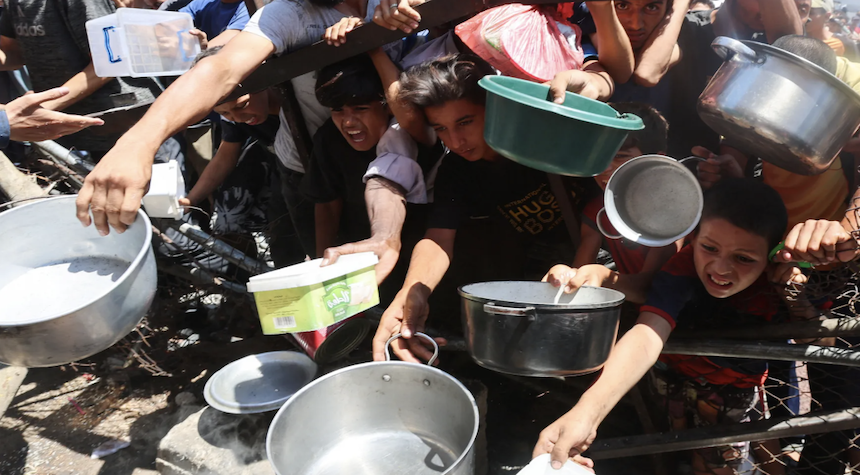
Israeli Prime Minister Netanyahu and U.S. President Trump have indicated that negotiations with Hamas have stalled, with Trump stating that Hamas “didn’t really want to make a deal.” Hamas, for its part, has blamed Israel for hindering talks and the collapse of a previous ceasefire.
As the situation continues to evolve, the international community watches closely, with United Nations Emergency Relief Coordinator Tom Fletcher calling for an immediate ceasefire.