
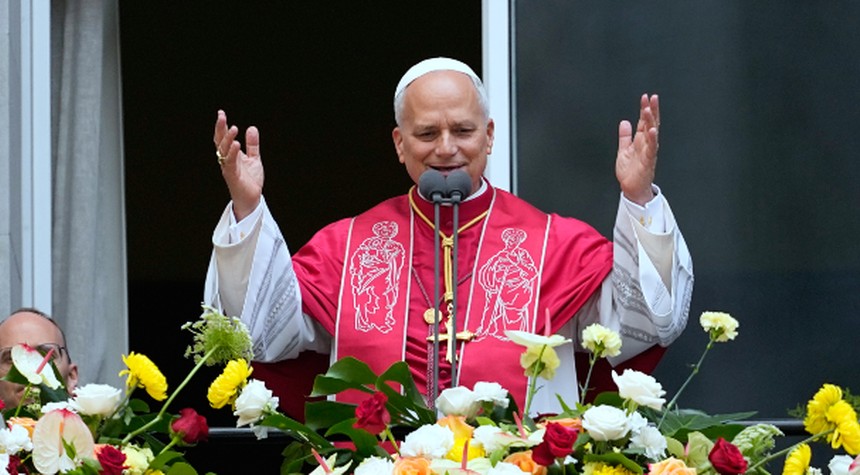
Pope Leo XIV delivered a sobering assessment of the mental health crisis afflicting modern societies during his official visit to Spain this week, calling on public health systems to confront what he termed an “invisible and widespread malaise” of depression and psychological suffering.
The pontiff addressed approximately 40,000 faithful at the Lluís Companys Olympic Stadium in Barcelona on Tuesday, the fourth day of his Spanish tour. The prayer vigil presented a markedly different atmosphere from the massive gathering held in Madrid three days earlier, as Pope Leo engaged directly with three young Spanish Catholics who shared deeply personal accounts of depression, attempted suicide, domestic abuse, and struggles with their faith.
The pope’s message carried particular weight as he warned against what he called the spiritualization of suffering, cautioning believers against superficially attributing pain to divine will or mysterious celestial plans. Such approaches, he argued, risk minimizing genuine suffering and causing additional harm to those already in distress.
“God does not want suffering. He carries it with us and invites us to trust in him with perseverance,” Pope Leo stated. “Let us remember what Pope Francis said: with God, life is always reborn.”
The pontiff first heard from Ferrán, a recent convert to Catholicism who received baptism this past Easter. The young man posed a question that resonates across Western societies: how does one maintain focus on higher purpose when contemporary culture constantly pressures individuals toward self-absorption and material concerns?
Pope Leo acknowledged a notable trend of young people and adults rediscovering Christian faith after periods of spiritual drift. His response addressed fundamental questions about human purpose and societal values. “Our desire for truth and happiness requires a broader horizon,” he explained. “And this restlessness is a gift that God himself has given us: We are made for the infinite.”
The pope delivered pointed criticism of modern economic and social systems. “In our societies, the idolatry of profit and performance, the drive to always produce and win, as well as the cult of self-image, are nothing more than anesthetics designed to numb our conscience and mold it to a certain vision of society,” he said.
He continued with an observation that merits serious consideration: when individuals pause to reflect on what truly matters and allow Gospel teachings to illuminate their lives, they develop a critical perspective on social systems that fail to prioritize human dignity and create various forms of injustice and existential poverty.
The pontiff then heard from Carmina, a young woman who described depression as a “silent illness that affects many people, both young and old, and brings with it darkness, isolation and immeasurable pain.” She recounted her own suicide attempt and credited God with providing a second chance at life, for which she expressed eternal gratitude.
Speaking on behalf of countless others suffering similar afflictions, Carmina asked Pope Leo where one can find God during the darkest moments of despair.
The exchange underscored a growing crisis that transcends national boundaries and economic circumstances. The pope’s emphasis on addressing mental health through public health systems represents a practical acknowledgment that spiritual guidance alone cannot solve what has become a public health emergency in advanced societies worldwide.
This papal visit to Spain has highlighted tensions between traditional faith and modern secular pressures, while demonstrating the Church’s evolving approach to mental health issues that previous generations often misunderstood or ignored entirely.
Related: Armenian Prime Minister Wins Reelection as Nation Turns Away from Moscow