
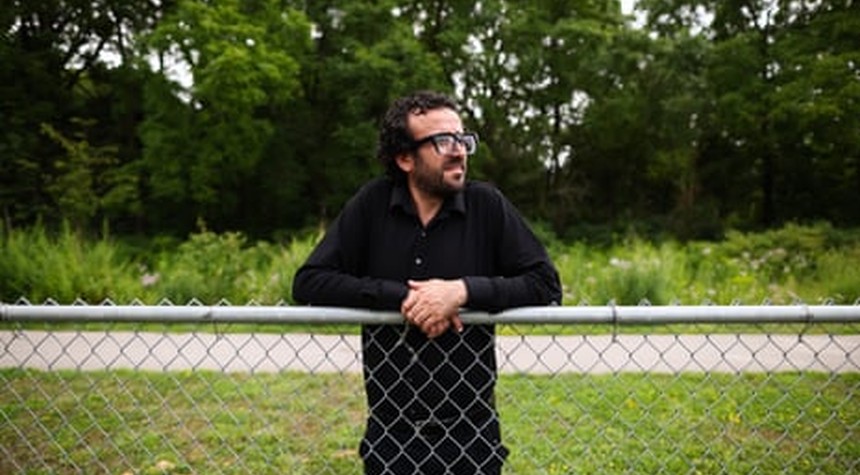
A Kurdish filmmaker who spent eight months in United States immigration detention has provided a detailed account of being force-fed during a hunger strike, describing treatment that international human rights organizations have classified as torture.
Gabar Choli, now residing in Canada following his deportation from the United States, recounted his experience at the Port Isabel federal detention center in Los Fresnos, Texas, where Immigration and Customs Enforcement officials subjected him to force-feeding procedures, often twice daily, beginning in late May of the detention period.
“It just broke me, mentally broke me,” Choli stated in his first public comments about the ordeal. “It came to a point that I decided to write my body an apology letter.”
The filmmaker and activist entered ICE custody after immigration authorities denied his asylum application. His case raises significant questions about the treatment of immigration detainees and the methods employed by federal authorities when individuals engage in hunger strikes while in custody.
Force-feeding has long been a contentious practice in detention settings. International human rights organizations have consistently condemned the procedure as a form of torture, particularly when applied to individuals who have made a conscious decision to refuse food as a form of protest. The practice involves inserting feeding tubes through the nose or mouth, a procedure that medical professionals acknowledge can cause substantial physical discomfort and psychological distress.
Choli’s account provides rare insight into conditions at immigration detention facilities, which have faced scrutiny regarding their treatment of asylum seekers and other detainees. The Port Isabel detention center, located in the Rio Grande Valley near the Mexican border, has been among the facilities processing individuals apprehended during periods of increased border crossings.
The psychological impact Choli described speaks to broader concerns about the mental health consequences of prolonged immigration detention. His reference to writing an apology letter to his own body suggests a profound level of distress that extended beyond the physical discomfort of the force-feeding procedures themselves.
The case also highlights the complex intersection of immigration enforcement, human rights standards, and medical ethics. While authorities maintain that force-feeding prevents self-harm among detainees who refuse food, critics argue that the practice violates fundamental principles of bodily autonomy and human dignity.
Choli’s current status in Canada represents another chapter in his journey through North America’s immigration systems. His deportation from the United States and subsequent relocation north of the border reflects the varied outcomes facing asylum seekers whose applications are denied by American immigration courts.
As debates continue regarding immigration policy and border security, individual accounts such as Choli’s provide concrete examples of how enforcement practices affect real people. The treatment of detainees remains a significant concern for those who monitor human rights compliance within the immigration system, particularly as facilities manage individuals who resort to hunger strikes as expressions of desperation or protest.
The filmmaker’s willingness to speak publicly about his experience may encourage greater scrutiny of detention center practices and the protocols governing the treatment of individuals who refuse food while in federal custody.
Related: Trump Administration Secures Freedom of Former Marine Held in Russia