
Australia has drawn a firm line against mounting pressure from Washington and international pharmaceutical companies seeking to dismantle the nation’s prescription drug pricing protections, a decision that carries significant implications for the global pharmaceutical trade.
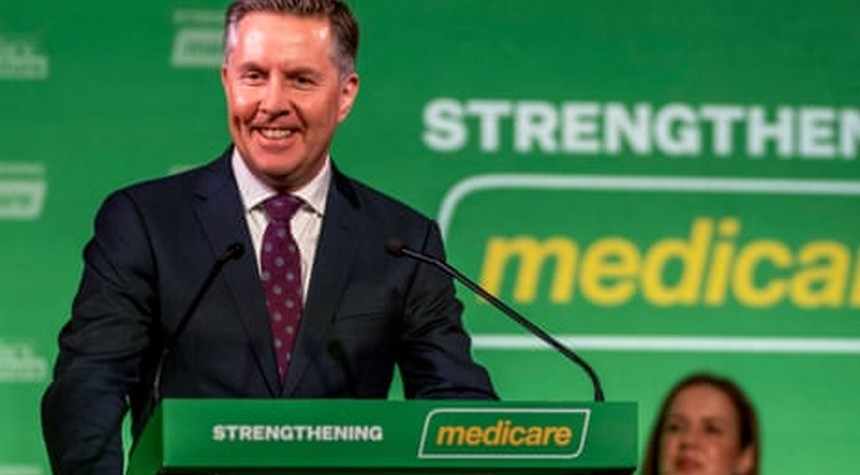
Health Minister Mark Butler delivered an unequivocal message this week: the Australian government will not negotiate away the Pharmaceutical Benefits Scheme, regardless of economic pressure from the Trump administration’s newly announced tariff regime.
The confrontation stems from President Trump’s overnight signing of an executive order imposing 100 percent tariffs on branded pharmaceuticals imported into the United States. The measure represents the administration’s latest attempt to force pharmaceutical manufacturers either to relocate production to American soil or to agree to pricing arrangements favorable to American consumers.
Under the new directive, large pharmaceutical companies have 120 days to announce plans that would exempt them from these punitive tariffs, while smaller firms receive 180 days. Companies committing to establish manufacturing operations within the United States can reduce their tariff burden to 20 percent, with additional exemptions available for those offering preferred pricing to American consumers.
The stakes for Australia are considerable. Australian pharmaceutical exports to the United States total approximately two billion dollars annually. The manufacturing giant CSL accounts for the bulk of these exports, primarily through blood plasma products. The company recently opened a new manufacturing facility in Illinois, positioning itself favorably for potential exemptions from the new tariff structure.
Yet the tariff announcement represents only the surface of a deeper conflict. The Trump administration has been working to pressure Australia into reforming its Pharmaceutical Benefits Scheme, which guarantees lower prescription prices for Australian consumers. This scheme has long been a source of frustration for American pharmaceutical companies, which see significantly higher profit margins in the United States market, where consumers pay substantially more for identical medications.
Minister Butler addressed the situation with characteristic directness. The government understands, he noted, that pharmaceutical companies are lobbying the American administration to dismantle not only Australia’s pricing scheme but similar programs in other nations. On this matter, Butler stated, there will be no negotiation regarding fundamental protections.
The executive order includes exemptions for generic drugs and maintains more favorable tariff rates for pharmaceuticals produced in the European Union, Japan, South Korea, and Switzerland. The United Kingdom operates under a separate tariff arrangement.
The timing of this trade action reflects domestic political pressures within the United States. American consumers face prescription drug costs far exceeding those in other developed nations, creating persistent cost-of-living concerns that have proven politically damaging to the administration. With congressional midterm elections scheduled for November, affordability issues have emerged as critical factors in the political landscape.
Butler indicated that the Australian government would carefully study the tariff implications while expressing confidence that major Australian exporters would likely receive exemptions. CSL, in a statement, confirmed it was reviewing the American policy but anticipated minimal material impact from the tariffs, noting that the vast majority of its American trade consists of plasma therapies manufactured entirely from American-sourced materials.
This confrontation illustrates the broader tensions in international pharmaceutical trade, where nations with consumer price protections increasingly find themselves at odds with an American market that subsidizes global drug development through higher domestic prices. How this standoff resolves may well establish precedents affecting pharmaceutical pricing structures worldwide.
Related: American B-52 Bombers Now Operating Over Iranian Territory After Month of Sustained Strikes