
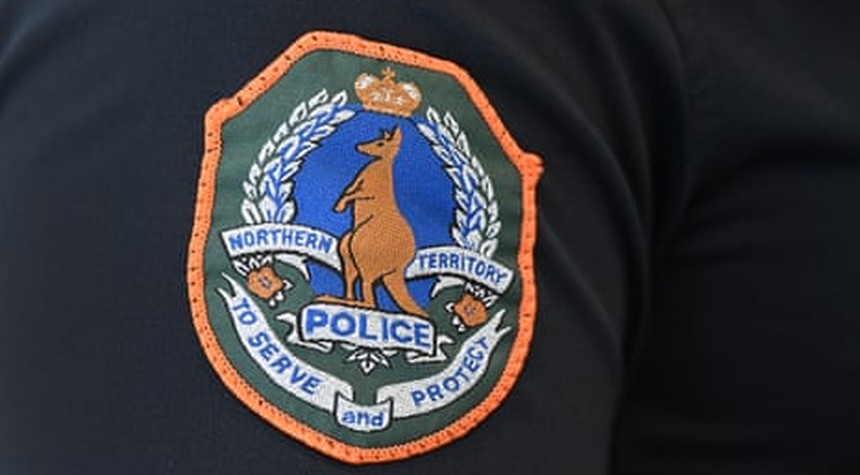
A 44-year-old Aboriginal mother of five died in police custody in Tennant Creek, Northern Territory, last Saturday, prompting immediate calls from Aboriginal legal advocates for an independent investigation into the circumstances surrounding her death.
According to Northern Territory police, the woman died from what appeared to be a medical episode while in her cell on December 27th. She had been arrested two days earlier, on Christmas Day, on charges of alleged aggravated assault.
The NT police major crime unit has opened an investigation, with the force’s professional standards command providing oversight. However, this internal review has proven insufficient for those seeking answers.
Ben Grimes, chief executive of the North Australian Aboriginal Justice Agency, stated Friday that an internal police investigation fails to provide the family or the broader Aboriginal community with confidence in a fair outcome. The agency has maintained a longstanding position that internal police investigations into deaths in custody lack the independence necessary for public trust.
The death represents another troubling incident in a pattern that has plagued Australia for decades. Deaths of Indigenous Australians in police custody have remained a persistent concern since the Royal Commission into Aboriginal Deaths in Custody concluded its work in 1991. That landmark inquiry examined 99 deaths and made 339 recommendations aimed at preventing future tragedies.
Despite those recommendations, Indigenous Australians continue to die in custody at disproportionate rates. The issue strikes at fundamental questions of justice, accountability, and the relationship between law enforcement and Australia’s First Nations peoples.
The Tennant Creek case raises particular concerns given the timeline of events. The woman spent two days in custody between her Christmas Day arrest and her death on December 27th. Questions naturally arise about the medical attention she received, the monitoring protocols in place, and whether warning signs of a medical crisis were recognized and addressed.
For the family left behind, five children have lost their mother under circumstances that demand thorough scrutiny. Their grief is compounded by uncertainty about what transpired in those final hours.
The call for an independent investigation reflects a broader crisis of confidence in self-policing mechanisms. When law enforcement investigates itself, even with internal oversight, the appearance of potential bias undermines public trust. This proves especially true in matters involving Indigenous Australians, where historical grievances and ongoing disparities in treatment have created deep skepticism about the justice system’s fairness.
The Northern Territory, with its significant Aboriginal population, has faced particular scrutiny regarding Indigenous affairs and law enforcement practices. Remote communities like Tennant Creek often grapple with complex social challenges, including substance abuse, domestic violence, and limited access to medical services.
As this investigation proceeds, the fundamental question remains whether Australian authorities will demonstrate the transparency and accountability necessary to address Indigenous concerns meaningfully. The family of the deceased, the Aboriginal community, and indeed all Australians who value justice, deserve nothing less than a thorough, impartial examination of the facts.
The outcome of this case may well influence future protocols for deaths in custody and the mechanisms by which such tragedies are investigated.
Related: New Year’s Eve Fire at Swiss Ski Resort Claims Dozens of Young Lives