
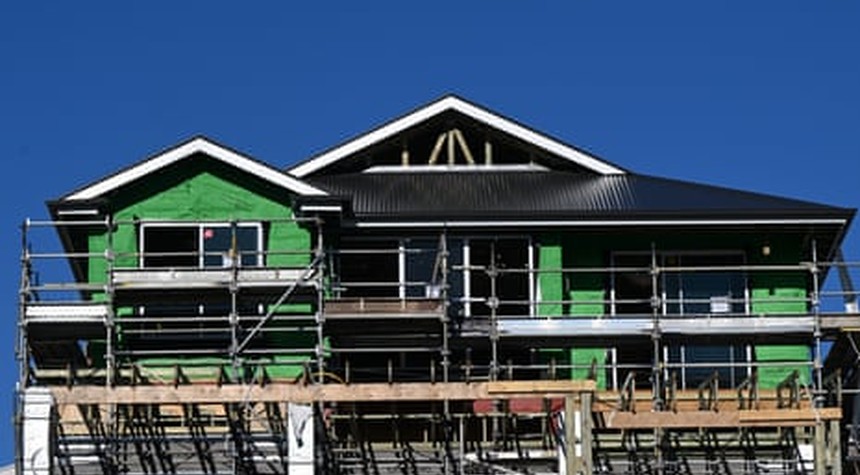
The Australian Coalition has unveiled a proposal to dramatically reduce the National Construction Code, a move that has ignited debate over housing affordability and the long-term costs to Australian families.
Andrew Bragg, the Coalition’s housing and environment spokesperson, announced the plan would reduce the construction code from more than 2,000 pages to just 80, eliminating all requirements for new homes beyond ensuring they are “basic and safe.” Speaking at the National Press Club, Bragg characterized current housing regulations as a “nightmare” and accused the Albanese government of making it “illegal to build a cheap house in Australia.”
Under the proposal, longstanding mandatory energy efficiency and accessibility measures would become optional features rather than baseline requirements. The Coalition argues this approach would significantly reduce building costs and address Australia’s housing affordability crisis.
Liberal treasury spokesperson Tim Wilson defended the policy, suggesting that in some cases people could simply “put a jumper on in winter rather than spending huge amounts of money” on improved housing quality. This comment has crystallized the fundamental disagreement at the heart of this debate.
Critics have responded with considerable alarm. The Energy Efficiency Council warned that minimum standards ensure homes remain safe, comfortable, and affordable to operate over their lifetime. Luke Menzel, the council’s chief executive, described the proposal as a “cost-of-living timebomb” and expressed astonishment that an Australian politician would advocate for policies likely to increase energy bills.
“Australians deserve to live in decent housing, not leaky shacks with paper thin walls,” Menzel said. He warned that renters in areas such as western Sydney would face dramatically higher cooling costs during summer months if forced to live in homes built without energy efficiency measures.
Cassandra Goldie, chief executive of the Australian Council of Social Service, acknowledged that governments should eliminate unnecessary regulation but argued that energy performance and accessibility rules remain fundamental to health, safety, and wellbeing. She warned the proposal would shift costs onto households, deepen inequality, and burden future generations with homes that are expensive to operate and difficult to inhabit.
Industry groups have testified at a recent Senate inquiry that various construction code changes over the past seven years have added between $3,600 and $33,000 to the cost of new homes. These figures form the economic foundation of the Coalition’s argument.
However, government analysis presents a different picture. Research found that increasing the minimum residential energy rating from six to seven stars, the current standard, would increase average building costs by less than one percent. Separate analyses by the Reserve Bank and CSIRO found that construction costs barely changed, and in some cases decreased, following previous increases in energy efficiency requirements.
The proposal represents a fundamental choice between upfront construction costs and long-term operating expenses. The Coalition emphasizes immediate affordability for homebuilders, while opponents argue that reduced standards will create ongoing financial burdens for occupants, particularly renters who have no control over the quality of their housing.
As Australia grapples with a housing crisis, this debate underscores the complexity of balancing immediate construction costs against the lifetime expenses and livability of homes that will shelter Australians for generations to come.
Related: Journalists Work to Preserve Historical Record After Secret Service Security Measures