
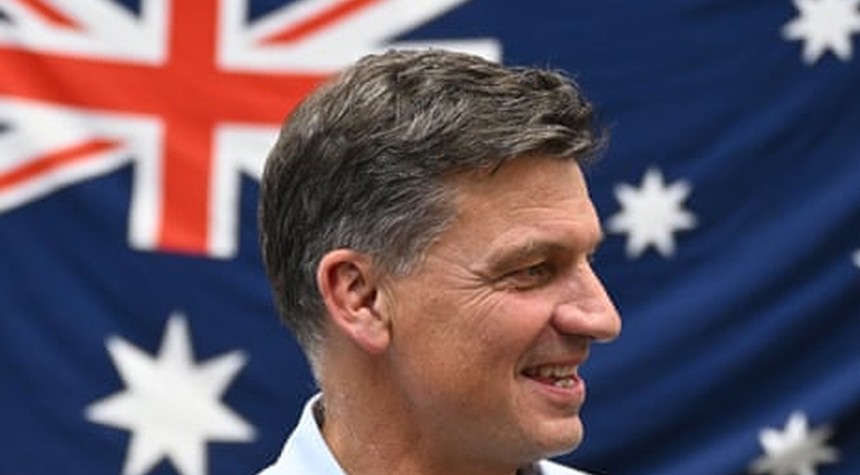
Australia stands at a crossroads in its immigration policy, as Opposition Leader Angus Taylor announced Tuesday a fundamental restructuring of the nation’s approach to foreign arrivals that would mark the most significant departure from current practice in decades.
The Coalition government, should it come to power, would terminate Australia’s longstanding non-discriminatory immigration program and institute mandatory social media vetting for all visa applicants, including tourists. The proposal mirrors measures implemented by United States President Donald Trump in December, representing a coordinated shift among Western democracies toward stricter border controls.
Taylor’s announcement comes as the Coalition faces mounting pressure from Pauline Hanson’s One Nation party, which has gained support among voters concerned about immigration policy. In a speech delivered at the Menzies Institute, Taylor outlined what he termed a necessary correction to years of permissive border management under Labor leadership.
The opposition leader did not mince words in his assessment of current policy failures. He accused the Labor government of permitting individuals with “subversive intent” to enter Australian territory, arguing that the nation’s generosity has been exploited “for self-serving purposes” by too many prospective migrants.
Under the proposed framework, law enforcement agencies would receive additional funding specifically designated for locating, arresting, and deporting non-citizens who have exhausted all legal avenues to remain in the country. The policy would expedite rejection procedures for asylum seekers from nations deemed sufficiently safe for return.
Perhaps most controversially, the Coalition plans to reassess more than 2,000 Palestinians who received visas following the October 7 terror attacks and the subsequent conflict with Hamas. This retroactive review represents an unusual step in immigration enforcement and raises questions about the stability of visa approvals under changing political administrations.
Taylor framed his proposals as a response to what he characterized as willful blindness regarding immigration realities. “Australians are fed up with politically correct preaching,” he stated, suggesting that public sentiment has shifted decisively against current approaches.
The opposition leader advanced a thesis that migrants from liberal democracies possess “a greater likelihood of subscribing to Australian values compared to those migrating from places ruled by fundamentalists, extremists and dictators.” This explicit preference for certain national origins represents a marked departure from the merit-based, non-discriminatory principles that have governed Australian immigration policy for generations.
The social media vetting requirement would apply universally to all visa categories, creating what amounts to a digital background check for anyone seeking entry to Australia. The practical implementation of such a program raises significant questions about privacy, enforcement capacity, and the potential for arbitrary denial based on subjective interpretation of online activity.
These proposals arrive at a moment when Western democracies are reassessing immigration policies that have remained largely unchanged since the latter half of the twentieth century. The question facing Australian voters is whether Taylor’s approach represents prudent reform or an abandonment of principles that have served the nation well.
What remains certain is that immigration will feature prominently in the coming electoral contest, with the Coalition betting that voters share Taylor’s conviction that fundamental change is overdue.
Related: United States and Iran Reach Partial Agreement on Hormuz Strait After Marathon Talks