
The United States commenced enforcement of a naval blockade on Iranian ports in the Strait of Hormuz on Monday morning, prompting sharp condemnation from the Chinese government and raising concerns about the stability of one of the world’s most vital shipping lanes.
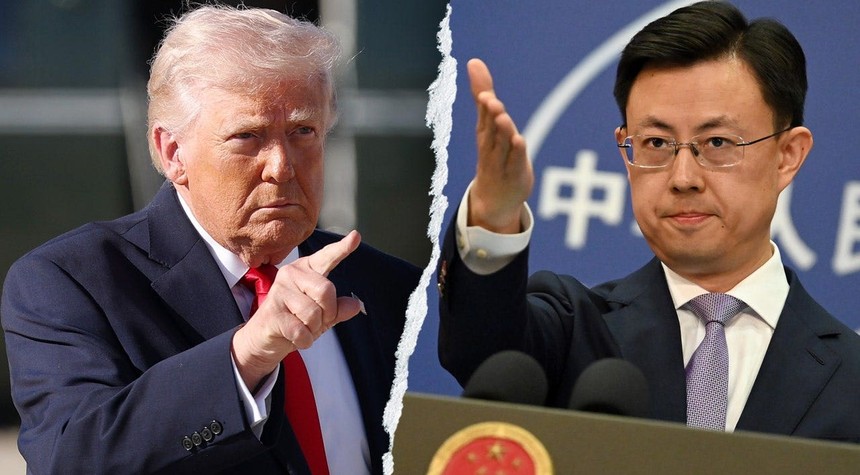
Chinese Foreign Ministry spokesperson Guo Jiakun characterized the American action as “a dangerous and irresponsible move” during a Tuesday briefing, marking Beijing’s strongest public criticism of Washington’s Iran policy in recent months. The blockade, which President Donald Trump ordered following the weekend collapse of peace negotiations with Tehran, represents a significant escalation in tensions between the United States and the Islamic Republic.
“With the temporary ceasefire agreement still in place, the United States ramped up military deployment and resorted to a targeted blockade,” Guo stated. “This will only aggravate confrontation, escalate tension, undermine the already fragile ceasefire and further jeopardize safe passage through the Strait of Hormuz.”
The strategic significance of this waterway cannot be overstated. The Strait of Hormuz, a narrow passage between Iran, Oman, and the United Arab Emirates, serves as the conduit for approximately 20 million barrels of oil daily, representing roughly one-fifth of global liquefied natural gas traffic. Any disruption to this channel carries profound implications for international energy markets and the global economy.
Jonathan Schanzer, executive director of the Foundation for Defense of Democracies, has detailed the operational aspects of the American blockade, noting President Trump’s warning to eliminate Iranian vessels that attempt to defy the enforcement action. Schanzer emphasized that existing sanctions authority provides the legal framework for such measures, though success requires coordinated diplomatic and military pressure.
The Chinese government has called for all parties to honor the existing ceasefire agreement and pursue diplomatic solutions. “China believes that only a complete ceasefire can fundamentally create conditions for easing the situation,” Guo added. “We urge relevant parties to honor the ceasefire agreement, stick to the direction of peace talks and take concrete actions to deescalate the situation so that normal traffic via the Strait will be able to resume as soon as possible.”
The White House has not issued a formal response to Beijing’s criticism as of Tuesday afternoon.
The blockade commenced at 10 a.m. Eastern Time on Monday, following the breakdown of weekend negotiations between American and Iranian officials. The precise nature of those discussions and the specific points of contention that led to their collapse remain unclear, though sources indicate fresh talks could potentially resume later this week.
This development places the international community in a difficult position. While many nations share American concerns regarding Iranian regional activities and nuclear ambitions, the prospect of disrupted energy supplies through the Strait of Hormuz presents an unacceptable economic risk. The delicate balance between supporting pressure on Tehran and maintaining global energy security will test diplomatic relationships in the coming days.
The situation bears watching as it develops, with the potential for either diplomatic breakthrough or further escalation remaining very real possibilities.
Related: Australia’s Taylor Announces Social Media Vetting for All Visa Applicants