
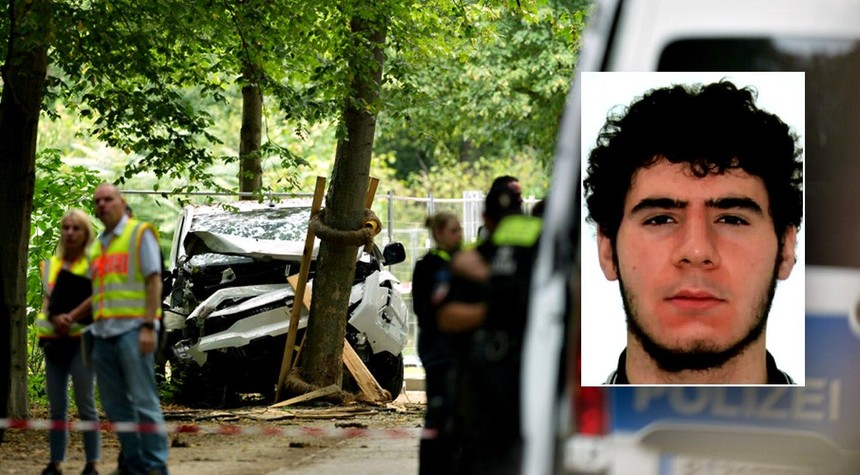
The fatal police shooting of Abdul Ballout on Sunday concluded a nearly 24-hour manhunt following a terror attack near Berlin’s Pride festival, but the incident has left German officials grappling with a more troubling question: Why was this man free to attack anyone at all?
The 21-year-old German citizen of Lebanese descent had been previously convicted for supporting the Islamic State. On Saturday night, authorities say he deliberately drove a van into a crowd near the festival before attacking bystanders with a machete, killing one person and injuring 29 others. When special forces located him on Sunday, he allegedly attacked officers with a bladed weapon, prompting them to use lethal force. He died at the scene.
What makes this tragedy particularly disturbing is that Ballout’s dangerous intentions were not unknown to German authorities. According to the Berlin Public Prosecutor’s Office and Berlin Court of Appeal, the suspect had traveled to Lebanon last year with the explicit goal of continuing to Syria to join ISIS. Born and raised in Berlin, he had already been convicted on charges related to supporting the terrorist organization.
German Chancellor Friedrich Merz addressed the matter on Monday with evident frustration. “We must do everything to protect people in Germany as best possible from such criminals, from dangerous people who for whatever reason cannot be taken into custody,” he stated. The chancellor’s carefully chosen words reflect a broader concern about the limitations facing German law enforcement.
Interior Minister Alexander Dobrindt was more direct in his assessment. Speaking with public broadcaster ZDF, he questioned the logic of allowing such an individual to remain free. “You can assume that it certainly would have made sense to put this person in custody,” he said, given the suspect’s conviction and documented support for the Islamic State.
Berlin Mayor Kai Wegner, while acknowledging the independence of the judiciary, expressed his own bewilderment. “Words fail me,” he told regional broadcaster RBB when discussing how this attack could have occurred.
The incident raises fundamental questions about the balance between civil liberties and public safety in Western democracies. Germany’s legal system, designed with strong protections for individual rights following the nation’s painful history, now faces scrutiny over whether those protections have created dangerous vulnerabilities.
This attack is not an isolated incident in Europe’s ongoing struggle with Islamic terrorism. The Islamic State, though diminished from its territorial peak, continues to inspire attacks across the Western world. Young men radicalized within European borders represent a particularly vexing challenge for security services.
The investigation continues, but the facts already established paint a concerning picture. A convicted ISIS supporter, who had attempted to join the terrorist group abroad, was free to plan and execute an attack on German soil. One person is dead, nearly thirty others wounded, and German officials are left explaining to their citizens how this was allowed to happen.
The answers to these questions will have implications far beyond Berlin. As Western nations continue confronting the threat of homegrown terrorism, the German response to this failure may well shape security policies across the continent.
Related: Guyana Ferry Disaster Death Toll Reaches 72 as Recovery Efforts Continue