
A striking contradiction in principles has emerged as former British Labour Party leader Jeremy Corbyn announced his active participation in New York City’s mayoral race, raising questions about the consistency of his previously stated positions on foreign interference in democratic elections.
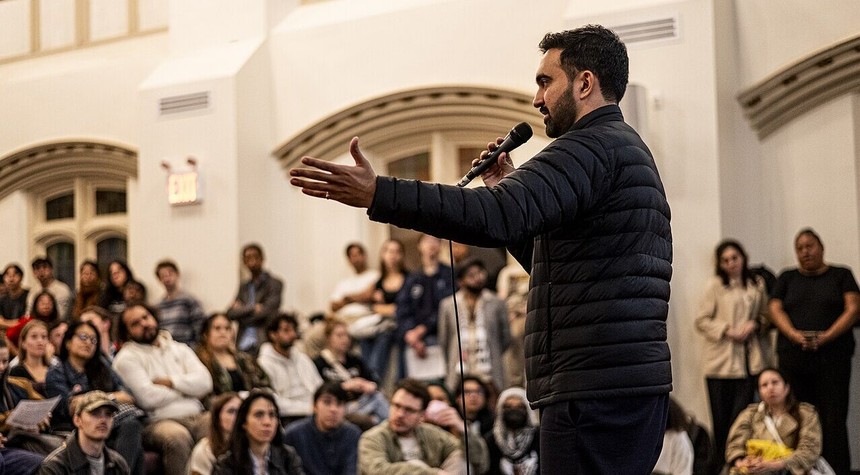
Corbyn, now serving as an Independent Member of Parliament for Islington North, disclosed Sunday that he was organizing telephone outreach efforts in support of Democratic Socialists of America candidate Zohran Mamdani. The British lawmaker stated he was “hosting a phone bank” to mobilize voters for Mamdani’s campaign, adding his hope to help the candidate achieve “a New York that’s affordable for all.”
This involvement stands in notable contrast to statements Corbyn made during the summer of 2019, when he sharply criticized then-President Donald Trump for what he characterized as improper involvement in British political affairs. In June of that year, Corbyn declared that Trump’s “attempt to decide who’ll be Britain’s next PM is an entirely unacceptable interference in our democracy.” He insisted that Britain’s next Prime Minister should be chosen “by the British people in a general election,” not by the American president.
Several months later, Corbyn again accused Trump of attempting “to interfere in UK election to get his friend Boris Johnson elected.”
The apparent reversal reveals a broader ideological pattern worth examining. Corbyn’s actions suggest alignment with a political philosophy that views national boundaries as secondary to ideological solidarity. This perspective, shared by various far-left movements on both sides of the Atlantic, prioritizes global socialist objectives over traditional concepts of national sovereignty and electoral independence.
Mamdani himself has drawn scrutiny for his refusal to condemn calls for what activists term “globalizing the intifada,” suggesting he views local elections as components of a worldwide ideological struggle rather than purely domestic contests addressing municipal concerns.
This incident illuminates a fundamental tension in contemporary politics between those who maintain that democratic elections should remain the exclusive province of a nation’s citizens and those who believe ideological movements transcend such boundaries. For Corbyn and similarly minded activists, distinctions between London and New York, or between British and American electoral processes, appear subordinate to advancing shared political goals.
The implications extend beyond this single instance. When political figures selectively apply principles based on whether the interference serves their ideological preferences, it undermines the credibility of their stated commitments to democratic norms and national self-determination.
As New York voters prepare to make their choice for mayor, they do so knowing that international socialist movements view their local election as part of a global campaign. Whether American voters will accept foreign involvement in their democratic processes, even when conducted openly, remains to be seen. What is certain is that the traditional understanding of elections as expressions of local and national self-governance faces challenges from those who see them differently.
And that is the way it is.
Related: Guinness World Records Celebrates Seven Decades of Human Achievement and Peculiarity