
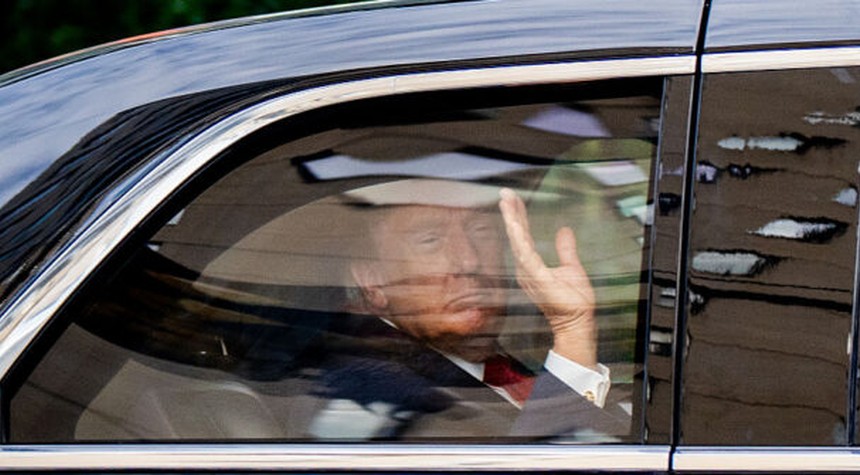
President Donald Trump and British Prime Minister Andy Burnham will meet today on the sidelines of the United Nations General Assembly in New York, marking the first face-to-face encounter between the two leaders since Burnham assumed office in July following an internal party upheaval that displaced Sir Keir Starmer.
The bilateral meeting, scheduled to last up to forty-five minutes, represents yet another chapter in the continuing pattern of British political leaders who must reconcile past criticism of President Trump with the practical demands of the Anglo-American relationship.
Prime Minister Burnham’s ascension to power came through what observers have characterized as a palace coup within the Labour Party. Since taking office, his policies have shown little departure from those of his predecessor, and the same appears true of his government’s private calculations regarding relations with Washington, where national interest and diplomatic necessity have evidently overridden personal sentiment.
The record shows that Burnham’s previous statements about President Trump were particularly pointed. In 2017, while serving as Mayor of Manchester, Burnham called for barring President Trump from entering the United Kingdom altogether, characterizing the American leader’s views as “hateful” and “extremist.” At that time, Burnham argued that Trump’s “extreme views” contradicted the values held by British citizens.
Four years later, in 2021, Burnham maintained his critical stance, stating that any British politician who granted Trump attention should be ashamed. More recently, during this summer’s Parliamentary campaign that positioned him for the premiership, Burnham described American politics as “poisonous.”
The contrast between these statements and current diplomatic reality could scarcely be more stark. In his first telephone conversation with President Trump earlier this week, Prime Minister Burnham extended an invitation for the American president to visit Manchester next year, the very city from which Burnham had once sought to exclude him. This reversal represents the beginning of what appears to be a systematic effort at damage control.
British diplomatic personnel have worked steadily to maintain the special relationship between London and Washington despite widespread antipathy toward President Trump among Britain’s political establishment. Yet the fundamental policy disagreements between the two leaders remain substantial.
President Trump has consistently focused on several key areas when discussing British policy, arguing that straightforward reforms could dramatically improve conditions for British citizens. Chief among these are immigration control and energy policy. The President has repeatedly urged Britain to develop its North Sea oil reserves, which he maintains could alleviate energy costs while meeting European demand.
These recommendations stand in marked contrast to current British government policy, which has largely eschewed expanded fossil fuel development in favor of alternative energy approaches.
Whether today’s meeting will produce any meeting of minds on these substantive matters remains uncertain. What seems clear is that Prime Minister Burnham, like British leaders before him, has concluded that the requirements of international diplomacy and national interest supersede personal opinions about the American president. This calculation, driven by simple realpolitik, continues to guide British foreign policy regardless of which party holds power in Westminster.
The meeting unfolds against the backdrop of the broader UN General Assembly, where both leaders face complex international challenges that may well require coordination between their two nations.
Related: Trump Cancels Strike Order as Military Advisers Debate Yemen Intervention