
The conflict that erupted between the United States and Iran this past February shows no signs of meaningful resolution, despite diplomatic efforts that produced a memorandum of understanding just three months ago. That document, signed in June, was intended to chart a path toward ending hostilities that began with coordinated American and Israeli strikes on Iranian targets. Those opening salvos killed numerous high-ranking Iranian officials, including Supreme Leader Ayatollah Ali Khamenei, fundamentally altering the balance of power in Tehran.
While the intensity of direct combat between American and Iranian forces has diminished from those early days, the underlying tensions remain acute and continue to manifest through proxy conflicts and naval confrontation. The United States maintains what it describes as an effective naval blockade of Iranian ports along the Persian Gulf and Gulf of Oman. Iran, for its part, asserts control over the Strait of Hormuz and claims responsibility for ongoing attacks against commercial shipping attempting passage through that critical waterway.
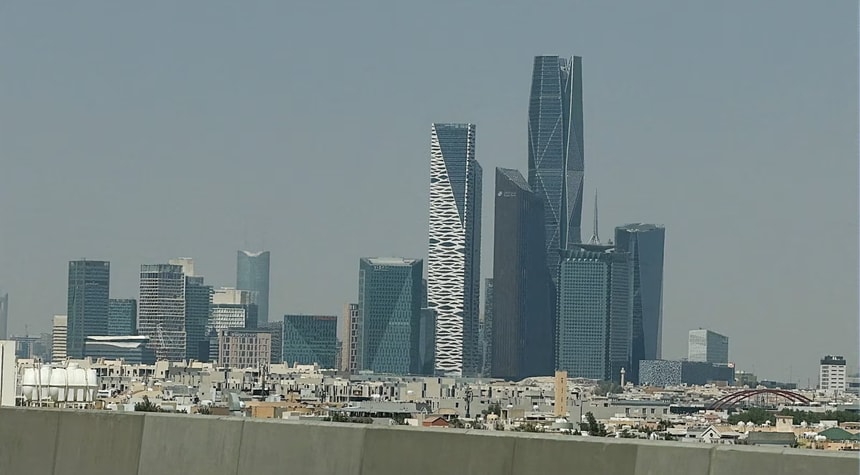
This weekend brought fresh evidence that the regional dimensions of this conflict continue to expand. Saudi Arabian military officials reported intercepting six separate Houthi weapons systems on Sunday, including three ballistic missiles, two cruise missiles, and one drone. According to Colonel Turki al-Maliki, the Saudi military spokesperson, four of these weapons were directed at the capital city of Riyadh. The remaining systems threatened other Saudi territories.
The General Directorate of Saudi Civil Defense issued emergency warnings for Riyadh and the southwestern city of Najran on Sunday morning before announcing, within hours, that the immediate danger had passed. These Iran-aligned Houthi forces operating from Yemen have substantially increased their attacks on Saudi military installations, oil infrastructure, and transportation networks in recent months, opening what amounts to a second front in the broader American-Iranian confrontation.
The naval dimension of this conflict produced its own developments over the weekend. The Navy of the Islamic Revolutionary Guard Corps reported that two oil tankers struck mines in the eastern approaches to the Strait of Hormuz, resulting in explosions and fires aboard both vessels. Iranian authorities accused these tankers of deliberately using unauthorized transit routes and disabling their navigation systems, though such claims remain difficult to verify independently.
United States Central Command, meanwhile, announced that American forces disabled their eleventh vessel since the blockade commenced in July. An American aircraft fired munitions at the stern of a cargo ship identified as the M/V Huda, which military officials stated was attempting to breach the blockade of Iranian ports. The vessel was disabled rather than destroyed, consistent with the measured American approach to enforcement.
In a sign that American military planners anticipate this confrontation may continue for some time, Central Command announced the formation of Task Force Iron Gate on Saturday. This twenty-person unit will coordinate with other government agencies to prevent Iran from compensating for the naval blockade by moving advanced weapons systems via overland routes.
The diplomatic talks that once offered hope for de-escalation remain stalled. What began as a swift military strike has evolved into a complex, multi-front confrontation involving direct American-Iranian hostilities, proxy warfare in Yemen, and a sustained naval campaign that affects global energy markets. The path forward remains unclear.
Related: State Department Offers $20 Million Reward for Intelligence on Iranian Nuclear Program