
British Prime Minister Keir Starmer has voiced serious concerns regarding the scheduled appearance of rapper Kanye West at London’s Wireless Festival this summer, citing the artist’s documented history of antisemitic statements and Nazi glorification.
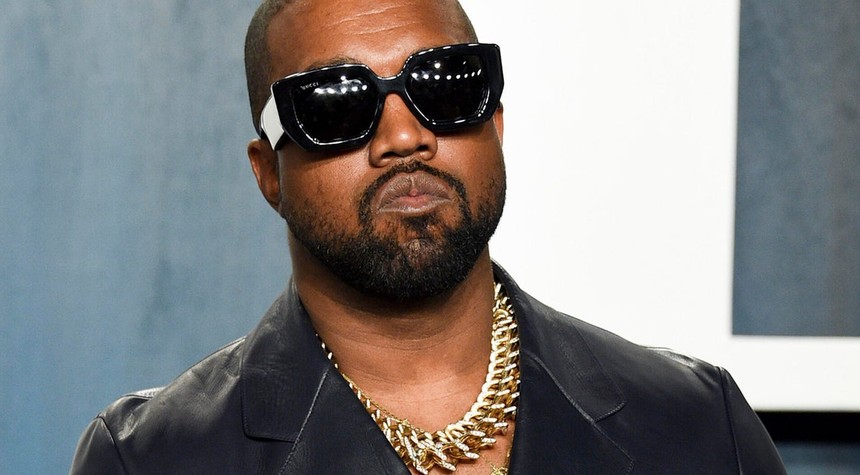
The 48-year-old performer, who now goes by Ye, is slated to headline three nights at the prominent rap and rhythm-and-blues festival in July as part of a broader European tour. The booking has generated substantial controversy both within the United Kingdom and across the continent.
In remarks to The Sun newspaper this weekend, Prime Minister Starmer stated unequivocally that it was “deeply concerning Kanye West has been booked to perform at Wireless despite his previous antisemitic remarks and celebration of Nazism.” The Prime Minister added that “antisemitism in any form is abhorrent and must be confronted firmly.”
The controversy extends beyond governmental concern. Pepsi, initially listed as the festival’s primary sponsor, announced its decision to withdraw sponsorship from the event. However, as of Sunday, the beverage company remained listed as a headline sponsor on the festival’s official website, with promotional text describing Pepsi MAX as “a long-standing partner” looking forward to “creating more musical moments together.” PepsiCo has not responded to requests for clarification regarding its sponsorship status.
The rapper’s planned performances have drawn sharp criticism from Jewish organizations and London Mayor Sadiq Khan since organizers announced the lineup last month. The backlash reflects broader concerns about providing prominent platforms to individuals who have promoted antisemitic views.
West’s controversial statements include the release of a song titled “Heil Hitler” and numerous public outbursts targeting Jewish people. These incidents have marked a troubling trajectory for an artist once celebrated primarily for his musical contributions.
The European tour itself has encountered resistance beyond British shores. The mayor of Marseille, France, has declared West “not welcome” for a scheduled June concert in that city, demonstrating that opposition to the tour transcends national boundaries.
West has previously expressed regret for his antisemitic remarks, attributing them to his bipolar disorder. However, this acknowledgment has not quieted concerns among those who believe his platform should be restricted given the severity and repetition of his offensive statements.
The situation presents a complex intersection of free expression, commercial interests, and societal responsibility. Festival organizers face mounting pressure from government officials, advocacy groups, and corporate sponsors to reconsider their decision. Yet as of this writing, the performances remain scheduled.
This controversy arrives at a time of heightened sensitivity regarding antisemitism across Europe and the Western world. Jewish communities have reported rising incidents of harassment and discrimination, making public figures’ statements and actions subject to increased scrutiny.
The outcome of this dispute will likely influence how entertainment venues and festival organizers approach similar booking decisions in the future, particularly regarding artists whose public statements have crossed into hate speech territory.
Related: Kenyan Security Personnel Accused of Sexual Exploitation in Haiti Operation