
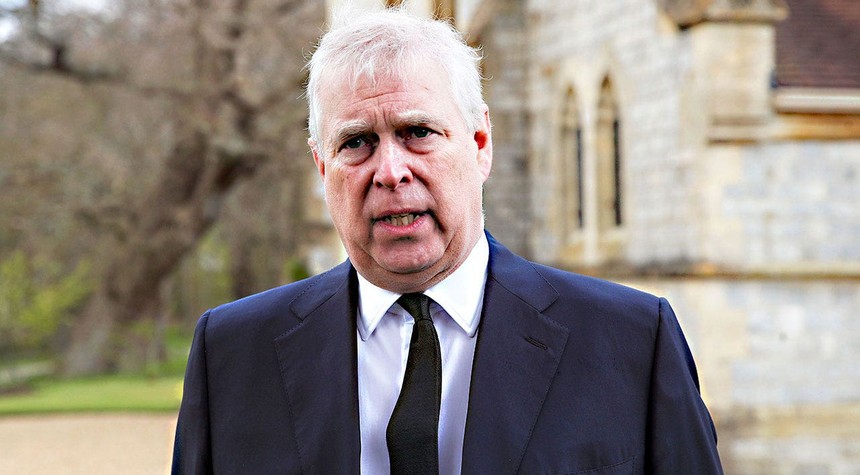
British Prime Minister Keir Starmer has publicly suggested that former Prince Andrew should cooperate with American investigators examining the Jeffrey Epstein criminal network, marking a significant moment in the ongoing international investigation.
Speaking to reporters while traveling to a G-20 summit in Johannesburg on Monday, Starmer articulated a principle that carries weight beyond this particular case. While declining to comment specifically on Andrew Mountbatten-Windsor’s situation, the Prime Minister stated that anyone possessing relevant information about such cases bears a responsibility to provide that evidence to those conducting proper investigations.
The statement arrives at a critical juncture. The United States House Oversight Committee has formally requested that the former royal submit to a transcribed interview regarding his documented relationship with Epstein, the financier whose criminal enterprise exploited numerous victims before his death in federal custody. Andrew Mountbatten-Windsor has not responded to this request.
Representatives Robert Garcia of California and Suhas Subramanyam of Virginia, both serving on the committee, issued a pointed statement on Friday. They accused the disgraced former royal of attempting to evade the investigation. Their declaration carried an unambiguous message: the committee intends to pursue accountability regardless of an individual’s wealth, social standing, or political connections. They emphasized their commitment to securing justice for those who survived Epstein’s crimes.
The former prince’s circumstances have deteriorated considerably in recent months. King Charles III formally stripped Andrew of his royal titles and honors on October 30, 2025. This action represented more than symbolic rebuke. According to Buckingham Palace, Andrew’s residence at Royal Lodge had provided him certain legal protections. Formal notice has now been served requiring him to surrender that lease and relocate to private accommodation.
The palace’s statement acknowledged that these censures proceeded despite Andrew’s continued denials of the allegations against him. The phrase “deemed necessary” suggests the monarchy recognized that maintaining distance from this controversy serves institutional interests that supersede family loyalty.
This development reflects a broader reckoning with Epstein’s network of associations. The investigation continues to examine how a criminal operation of this magnitude functioned for years, protected by wealth and connections that crossed international boundaries. The question of who enabled these crimes, whether through active participation or willful blindness, remains central to congressional inquiry.
For American investigators, securing testimony from individuals within Epstein’s social circle presents jurisdictional challenges. The House Oversight Committee lacks direct authority to compel testimony from foreign nationals residing abroad. This makes Starmer’s public statement particularly noteworthy. A British Prime Minister suggesting cooperation with American investigators creates diplomatic pressure that formal requests alone cannot generate.
The case continues to test whether justice systems can effectively pursue accountability when alleged wrongdoing involves individuals accustomed to operating above scrutiny. Congressional investigators have made clear their intention to follow evidence wherever it leads, a principle that aligns with fundamental American values regarding equal application of law.
As this investigation proceeds, it serves as a reminder that some responsibilities transcend titles, borders, and social station. The pursuit of justice for Epstein’s victims depends upon those with knowledge choosing to provide it.
Related: Virginia Congressman Demands Release of Trump Call with Saudi Crown Prince