

A federal grand jury in Michigan has indicted two church leaders on charges of forced labor and money laundering, in a case that spans multiple states and involves allegations of exploitation under the guise of religious ministry.
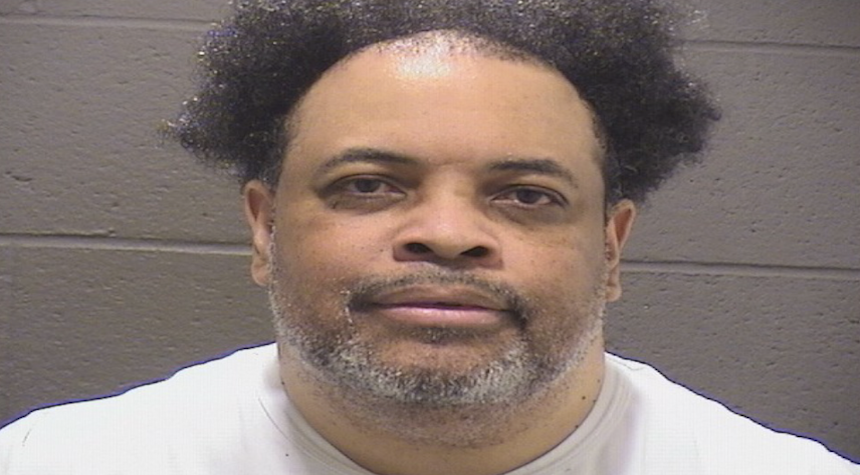
David Taylor, 53, and Michelle Brannon, 56, leaders of the Kingdom of God Global Church, were arrested Tuesday in North Carolina and Florida, respectively. The Department of Justice reports that they face a 10-count indictment carrying potential 20-year prison terms and substantial fines.
You May Also Like: Largest-Ever Home Depot Theft Ring Cracked by Police, 14 Arrested
According to the indictment, Taylor and Brannon allegedly compelled individuals to work without pay in church-run call centers or as personal assistants. Reports indicate that victims lived under strict supervision, with their movements restricted and subjected to various forms of coercion.
Prosecutors estimate the organization collected approximately $50 million in donations over a decade, funds that were allegedly used to finance a luxurious lifestyle for the accused.
This case raises important questions about the potential for abuse within religious organizations. The FBI’s involvement underscores the seriousness of the allegations, with Acting Special Agent in Charge Reuben Coleman stating that this demonstrates the bureau’s commitment to combating human exploitation and financial crimes.
While the defendants have not yet had their day in court, the Justice Department emphasizes the priority of combating human trafficking. Assistant Attorney General Harmeet K. Dhillon of the Civil Rights Division stressed this point in an official statement.
The evidence suggests a complex operation spanning several states. FBI agents conducted searches in Houston, Texas, as part of what officials described as a “multistate operation” linked to the indictment. Seventeen individuals were reportedly removed from a property owned by the church.
As this case progresses, it will be crucial to follow the legal proceedings and their potential impact on religious organizations and labor practices in the United States.