
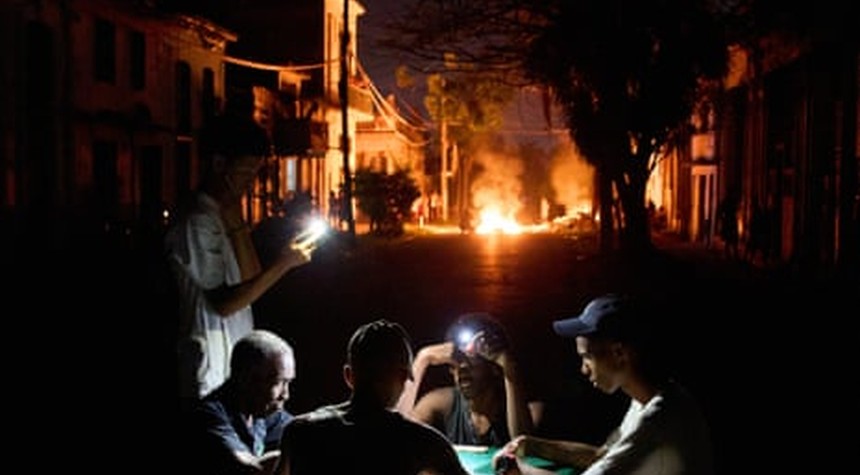
Cuba’s national electrical grid collapsed for the third time in ten days this Tuesday, plunging the island’s 9.5 million citizens into darkness once more and raising serious questions about whether the communist nation’s infrastructure has reached a point of no return.
The crisis unfolding across this 777-mile Caribbean island represents a convergence of decades-old systemic failures and intensified American pressure. For six months now, United States sanctions have effectively blocked oil shipments to Cuba, part of a deliberate campaign by the Trump administration to bring down the island’s communist government.
According to Jorge Piñon, a senior energy researcher at the University of Texas, the fundamental problem lies with Cuba’s aging infrastructure. The backbone of the system remains the large power plants, which Piñon describes as old, broken, and tired. These facilities, never adequately maintained or modernized, now face impossible demands without the fuel or spare parts necessary to keep them operational.
Cuban Energy Minister Vicente de la O Levy has acknowledged the government’s limited options, stating plainly that there is a total absence of fuel and no access to spare parts for the nation’s thermoelectric units.
The humanitarian impact has been severe. With summer temperatures reaching the mid-30s Celsius and humidity hovering around 80 percent, Cubans are enduring not just the heat but cascading failures in basic services. The traditional sounds of salsa music in Cuban streets have given way to the banging of pots and pans, the cacerolazos that signal collective frustration over sleepless nights, spoiled food, and dwindling hope.
When electricity does return, it arrives only sporadically and insufficiently. Residents report that an hour of power provides barely enough time to pump water or charge mobile phones, leaving families in a constant state of crisis management.
The American strategy has been comprehensive. Since January 3rd, when United States military forces detained Venezuelan President Nicolás Maduro, President Trump has made clear his intentions regarding Cuba. In March, he told White House reporters that he believed he could do anything he wanted with the island, whether that meant freeing it or taking it.
Washington has employed sanctions systematically to dismantle Cuba’s economic foundations. Foreign companies conducting business on the island, including hotel operators, airlines, mining operations, and shipping firms, have been forced to withdraw. The Canadian nickel mining company Sherritt has reportedly developed plans to remain by selling its interests to Ray Washburne, a former Trump adviser.
The sanctions have created severe supply chain disruptions. One electric car importer reported having seven containers stranded in Kingston and another forty in China, with no certainty about whether or when they might arrive.
In May, a Florida court charged 95-year-old Raúl Castro with murder, relating to the 1996 shooting down of small aircraft from Miami that were dropping leaflets over Havana. This legal action has raised the possibility of a Venezuela-style extraction operation.
The current crisis builds upon pre-existing weaknesses. Even before the Trump administration intensified its pressure campaign, the Cuban state had been severely weakened by hyperinflation during the pandemic years. Now, the deterioration has accelerated across multiple sectors.
Cuba, long regarded as one of Latin America’s safest nations, has seen crime rates rise noticeably. Street fights, vehicle thefts, and home break-ins have become increasingly common as social order frays under the pressure of economic collapse and government dysfunction.
The question now facing both Cuban citizens and international observers is whether this represents the final chapter of communist rule in Cuba, or merely another crisis that the regime will somehow survive. What remains certain is that the Cuban people are bearing the heaviest burden of this geopolitical confrontation.
Related: Tehran Erects Billboard Depicting President Trump Dead in Coffin