
Denmark has taken the significant step of expelling Russia’s defense attaché from Copenhagen following what Danish authorities describe as a Russian-orchestrated assassination plot on Danish soil. The target was Albert Vasilyev, a Ukrainian American rapper who performs under the name Kyivstoner.
The Danish security and intelligence agency made public on Friday that it has arrested two individuals in connection with the attempted murder. The charges against them include not only attempted murder but also the serious offense of assisting a foreign intelligence service. This development represents yet another troubling chapter in the ongoing conflict between Russia and the West, now extending beyond the battlefield of Ukraine into the streets of a NATO member nation.
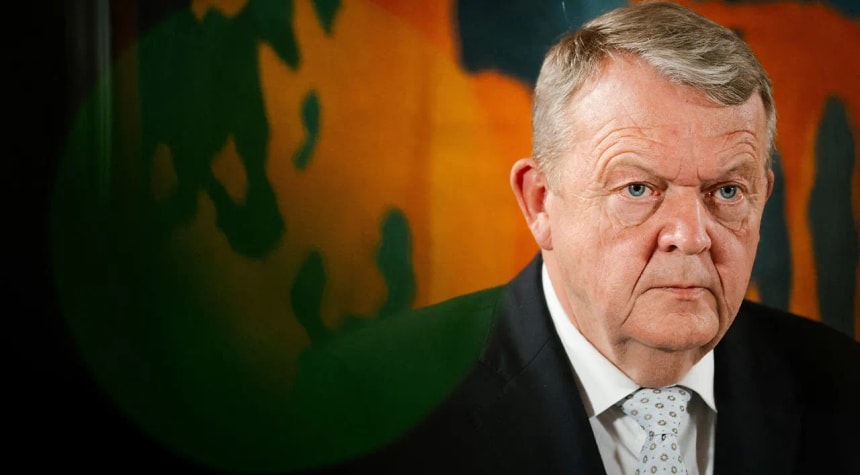
Foreign Minister Lars Løkke Rasmussen announced during a press conference that the Russian ambassador had been summoned to the Ministry of Foreign Affairs and informed of the government’s decision. The Russian defense attaché has been given seven days to leave Denmark. This diplomatic action marks a clear escalation in Denmark’s response to what it perceives as Russian aggression on its territory.
The facts of the case are stark. In September, Danish police stopped three individuals in a vehicle near a music venue in Hellerup, where Vasilyev was scheduled to perform. Upon searching the vehicle, authorities discovered firearms and knives. Two of the individuals have since been charged and have entered guilty pleas.
According to Danish security services, the men arrested were affiliated with Loyal to Familia, a Danish criminal gang known for violent criminal activity. The involvement of local criminal elements in what appears to be a foreign intelligence operation follows a pattern that European security officials have noted with increasing alarm in recent years.
Russia has categorically denied any involvement in the alleged assassination plot, dismissing the accusations as unsubstantiated. Russian intelligence services had previously accused Vasilyev of plotting a drone attack on Moscow in July, a claim that Vasilyev has denied.
The European Union’s response has been swift and unequivocal. European Commission President Ursula von der Leyen issued a strong condemnation of what she characterized as a Russian intelligence operation. She emphasized that this was an attack on European Union soil and therefore unacceptable. Perhaps most significantly, she observed that Russia’s hybrid warfare tactics are becoming increasingly direct and less concealed.
Danish Prime Minister Mette Frederiksen announced that Denmark would reduce the number of visas it issues to Russian nationals as a consequence of this incident. This measure represents an additional layer of response beyond the expulsion of the defense attaché.
This incident raises profound questions about the nature of modern conflict and the willingness of certain state actors to conduct operations within the borders of allied nations. The brazen nature of the alleged plot, carried out in a NATO member state against a foreign national, represents a troubling development in international relations. It demonstrates that the conflict surrounding Ukraine extends far beyond the immediate theater of war and into the broader arena of European security.
The diplomatic and security implications of this case will likely resonate throughout European capitals in the coming weeks as nations reassess their vulnerability to such operations and their appropriate responses.
Related: Iranian Twin Sisters Face Their Alleged Torturer as Presiding Judge in Tehran Court