
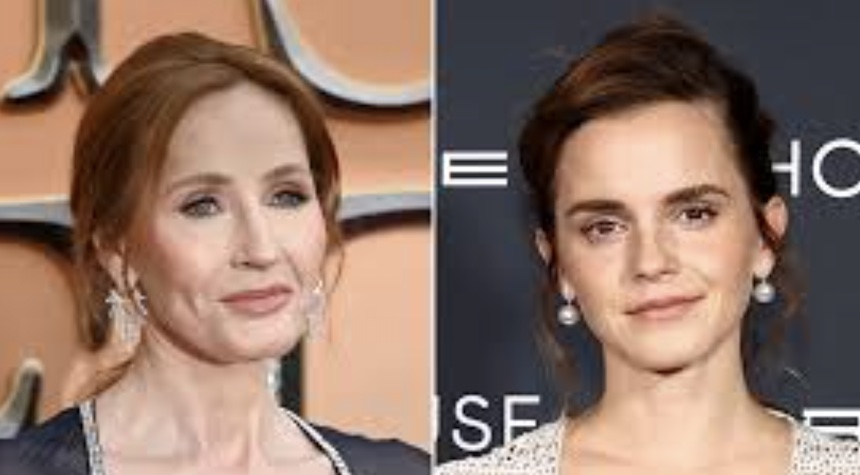
The profound divide between “Harry Potter” creator J.K. Rowling and actress Emma Watson continues to deepen, despite recent overtures toward reconciliation.
This has become a years-long ideological conflict between two of Britain’s most prominent cultural figures. The controversy, which centers on transgender rights and personal loyalty, has now reached a new crescendo.
Miss Watson, who portrayed the character of Hermione Granger in the globally successful Potter film series, recently expressed on the “On Purpose” podcast her desire to maintain affection for Rowling despite their philosophical differences. “It’s my deepest wish,” Watson stated, “that I hope people who don’t agree with my opinion will love me, and I hope I can keep loving people whom I don’t necessarily share the same opinion.”
But Rowling, speaking through social media on Monday, firmly rejected this olive branch. In a strongly worded statement, the author declared that “Adults can’t expect to cosy up to an activist movement that regularly calls for a friend’s assassination, then assert their right to the former friend’s love, as though the friend was in fact their mother.”
Also Consider Reading: ByteDance to Keep Half of TikTok’s U.S. Profits, Raising Eyebrows
The roots of this discord trace back to 2020, when Watson publicly aligned herself with the transgender community, stating at the time, “I want my trans followers to know that I and so many other people around the world see you, respect you, and love you for who you are.”
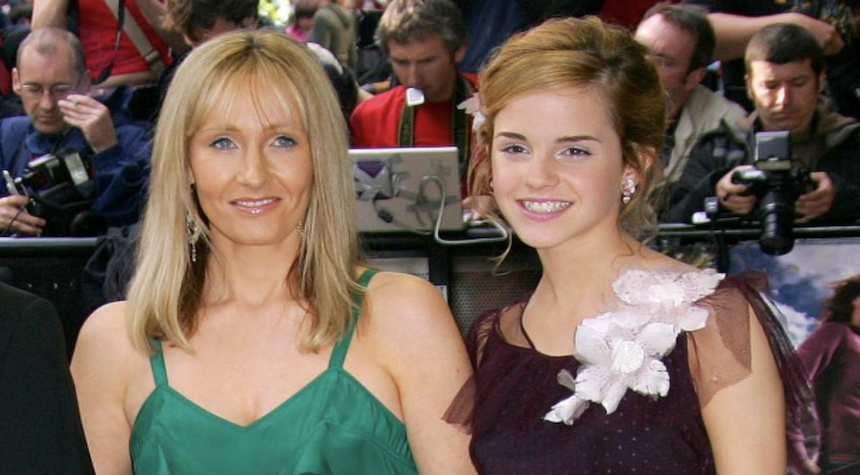
Rowling elaborated on her position, acknowledging Watson’s right to her beliefs while criticizing what she perceives as overstepping professional boundaries. “Emma Watson and her co-stars have every right to embrace gender identity ideology,” Rowling stated. “Such beliefs are legally protected, and I wouldn’t want to see any of them threatened with loss of work, or violence, or death, because of them.”
However, the author took particular issue with Watson and co-star Daniel Radcliffe’s public stance against her views, stating that they appear to believe their “former professional association gives them a particular right – nay, obligation – to critique me and my views in public.”
Earlier this year, when questioned about potential reconciliation with her former stars, Rowling dismissed the possibility, suggesting they could “save their apologies.”
This conflict, which continues to unfold in the public sphere, reflects broader societal tensions over gender identity and the limits of professional relationships in an increasingly polarized world. It serves as a reminder that even the magical world of Harry Potter cannot escape the very real divisions that characterize our time.