
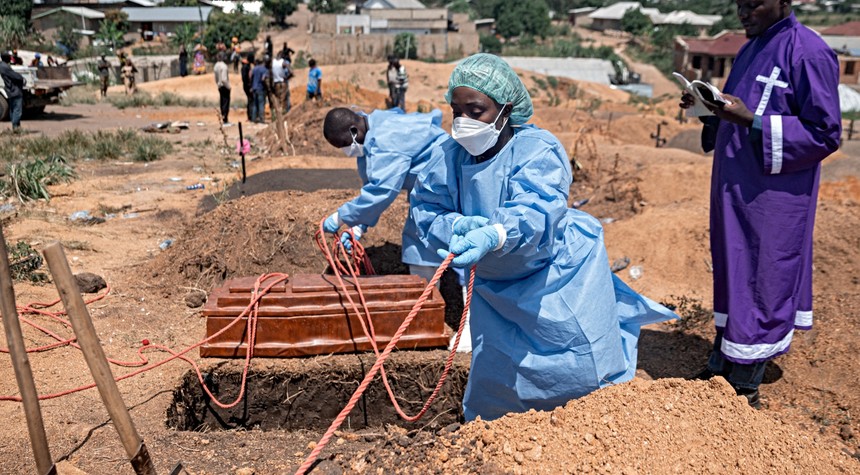
The Ebola epidemic sweeping through the Democratic Republic of Congo has reached a critical juncture, with the disease spreading faster than international efforts can contain it, according to warnings issued this week by Médecins Sans Frontières, the global medical charity known in English as Doctors Without Borders.
The current outbreak, which has extended into neighboring Uganda, was declared a global health emergency in May. Yet the designation appears to have done little to stem the tide of this deadly virus as it cuts through Central African populations with alarming efficiency.
The numbers tell a sobering story. Confirmed Ebola cases have tripled in fewer than five weeks, reaching 1,926 cases with 702 deaths recorded as of last Sunday. Those figures, already grim, are expected to have climbed higher in the days since. The World Health Organization has acknowledged that the actual scope of the outbreak likely exceeds official tallies, driven by population movements across porous borders and critical delays in treatment delivery.
This marks the third-largest Ebola outbreak on record and the fastest-growing, according to MSF’s assessment. The organization’s emergency programme manager, Trish Newport, delivered a blunt assessment of the current response efforts.
“Every delay costs lives. We are still chasing the outbreak instead of staying ahead of it,” Newport stated, calling for more coordinated international action to improve Ebola care and containment strategies.
The challenge facing health workers in the region extends beyond the virus itself. The eastern Congo has long been plagued by armed conflict, population displacement, and weak healthcare infrastructure. These conditions create an environment where disease surveillance becomes nearly impossible and treatment delivery faces constant obstacles. When healthcare workers cannot reach affected communities quickly, the virus gains precious time to spread through families and villages.
Over the past five decades, approximately 15,000 people have died from Ebola across African nations. The virus, which causes severe hemorrhagic fever, spreads through direct contact with bodily fluids of infected individuals. Its high fatality rate and the gruesome nature of the disease make it particularly feared in affected regions.
The international community’s response to this outbreak has been substantial in some respects, with vaccine programs initiated and treatment centers established. However, the gap between response capabilities and the virus’s spread rate continues to widen. This represents not merely a failure of medical resources but a failure of coordination and speed.
The question now facing global health authorities is whether the international system designed to respond to such emergencies can adapt quickly enough to match the pace of this outbreak. The answer to that question will be written in the lives saved or lost in the coming weeks and months across Central Africa.
Related: Trump Administration Blocks Commercial Flights for Americans in Congo Amid New Ebola Case