
The recovery of the final Israeli hostage from Gaza marks the completion of a significant chapter in Middle Eastern diplomacy, and the beginning of what may prove an even more challenging phase ahead.
The Israel Defense Forces announced Monday that they had located, recovered, and identified the remains of Sergeant First Class Ran Gvili, the last Israeli hostage held in Gaza. This recovery completes the hostage return component of the ceasefire agreement’s first phase, bringing closure to families who have endured months of uncertainty and grief.
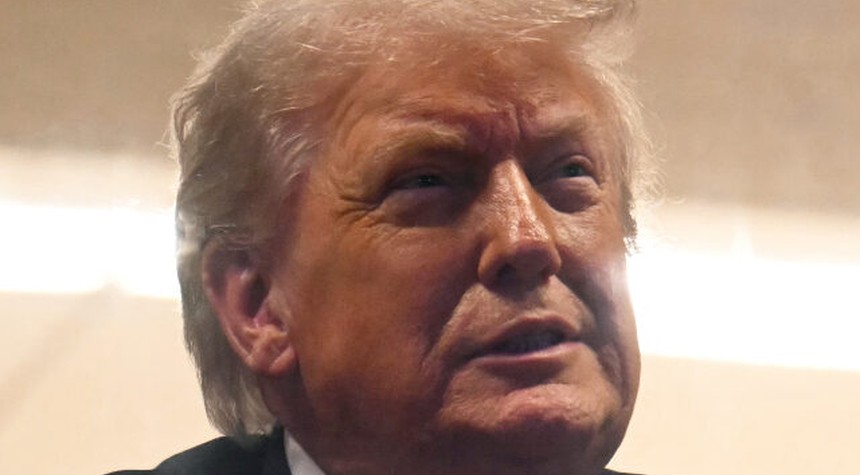
President Donald Trump characterized the achievement as something most observers deemed impossible. In a statement, he credited his negotiating team for securing the return of all twenty living hostages and the remains of those who perished in captivity. The president acknowledged that Hamas cooperated in locating Gvili’s remains, a process he described as painstaking, requiring teams to search through hundreds of bodies for identification.
The completion of Phase One now brings into sharp focus the agreement’s next requirement: the disarmament of Hamas. Trump made clear that this transition must proceed without delay. He argued that those who doubted the hostage recovery would succeed have been proven wrong, and suggested skepticism about Hamas disarmament may likewise be misplaced.
According to the president, he received briefings Monday morning from special envoy Steve Witkoff and senior advisor Jared Kushner before speaking with Israeli Prime Minister Benjamin Netanyahu. Trump indicated that Netanyahu was pleased with the outcome and asked that his personal message of satisfaction be conveyed to the Gvili family.
White House Press Secretary Karoline Leavitt described the hostage returns as a major foreign policy achievement, while noting that the administration’s broader Gaza strategy includes plans for postwar reconstruction.
In Jerusalem, Prime Minister Netanyahu called the recovery an extraordinary achievement for the Israel Defense Forces and the nation. He emphasized that Israel had fulfilled its commitment to account for every hostage. In a symbolic gesture before the Knesset, Netanyahu recited the Shehecheyanu, a Jewish blessing of gratitude traditionally offered at moments of profound significance. He then removed the yellow hostage pin he had worn throughout the crisis, stating that with the mission accomplished, the symbol was no longer necessary.
Netanyahu was explicit that the next phase does not involve rehabilitation of Gaza, but rather the disarmament of Hamas and the complete demilitarization of the territory. This represents a fundamental shift from humanitarian concerns to security imperatives.
Israeli Defense Minister Israel Katz praised Netanyahu’s leadership and thanked President Trump for his assistance and friendship throughout the process, while commending Israeli forces for their operational success.
The question now facing the international community is whether the cooperation that characterized Phase One can extend to the far more contentious matter of disarmament. Hamas has long viewed its military capability as essential to its political legitimacy and survival. Persuading or compelling the organization to surrender its weapons represents a diplomatic and military challenge of a different magnitude entirely.
The families of the returned hostages have their answers. The harder questions about Gaza’s future remain unresolved.
And that is the situation as it stands this evening.
Related: Ben Shelton Declares Unwavering Loyalty to United States After Tournament Victory