
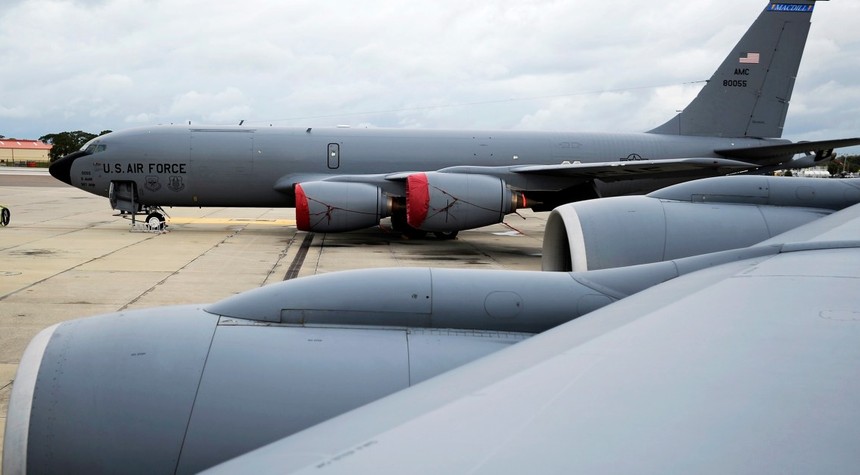
Four United States Air Force crew members have been confirmed dead following the crash of a KC-135 Stratotanker refueling aircraft in western Iraq on Thursday afternoon. Two additional crew members remain unaccounted for as rescue operations continue in the region.
U.S. Central Command reported that the aircraft went down at approximately 2 p.m. Eastern Time during operations connected to the ongoing military campaign against Iran. The command emphasized in its statement that the loss of the aircraft resulted from neither hostile fire nor friendly fire, though a full investigation into the circumstances surrounding the incident remains underway.
The crash involved two aircraft, with the second landing safely at its designated base. Military protocol dictates that the identities of the deceased will not be released until twenty-four hours after their next of kin have been properly notified.
This tragedy brings the total number of active service personnel killed during Operation Epic Fury to ten, with an additional service member having died from medical causes. The operation, which commenced on February 28, represents a coordinated effort between American and Israeli forces targeting senior Iranian leadership and strategic military installations throughout the region.
The mission has not been without additional complications. Last week, Kuwaiti forces mistakenly engaged three American fighter jets, though all crew members survived that incident without serious injury.
The KC-135 Stratotanker represents a cornerstone of American aerial refueling capabilities. Each aircraft carries a price tag of nearly forty million dollars and has served the United States Air Force, Marine Corps, and Navy for more than six decades. These workhorses of military aviation extend the operational range of combat and transport aircraft, enabling the projection of American power across vast distances.
Beyond its primary refueling mission, the KC-135 can be configured for medical evacuation purposes. Standard operations require a crew of three, though medical evacuation missions expand the basic crew complement to five personnel.
The loss of this aircraft and its crew underscores the inherent dangers facing American service members even in non-combat situations. Military aviation, particularly refueling operations in active theater environments, demands precision and carries substantial risk regardless of enemy action.
As rescue efforts continue for the two remaining crew members, the incident serves as a sobering reminder of the human cost of military operations. The families of those confirmed dead face an unimaginable loss, and the nation awaits further information on the fate of those still missing.
The investigation into this crash will likely examine all aspects of the mission, including mechanical systems, weather conditions, and operational procedures. Such thorough reviews have historically led to improvements in safety protocols and equipment maintenance standards across the military aviation community.
This remains a developing situation, and further details are expected as rescue operations conclude and investigative findings become available.
Related: U.S. Central Command Reports Continued Air Superiority Over Iranian Territory