
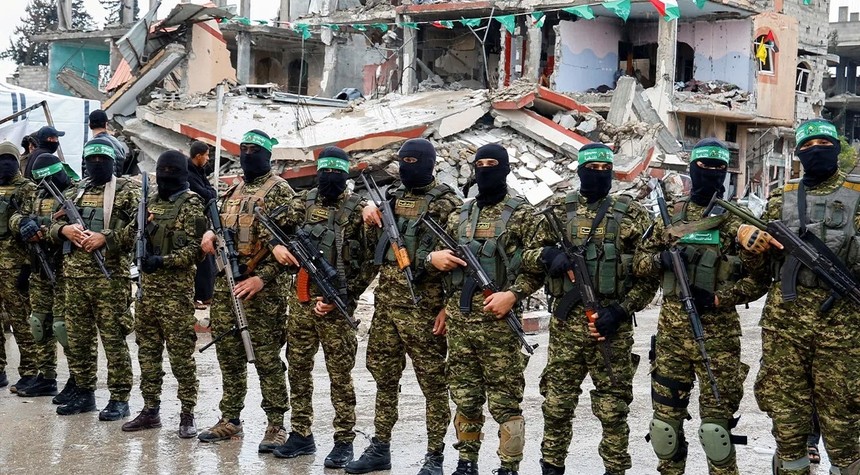
An Israeli airstrike struck a building in Gaza City just before the commencement of Eid al-Adha celebrations, killing Mohammed Odeh, the newly appointed head of Hamas’ military wing. Israeli officials announced the strike, which Hamas later confirmed. Regional media reports indicate that members of Odeh’s family also perished in the attack.
What transpired in the two hours following this significant military action reveals a complex picture of life in the embattled territory. Gaza’s markets filled with shoppers preparing for the major Muslim holiday. Video footage from the scene shows crowded streets, children selecting goods, and families gathering in what appeared to be ordinary holiday preparations, with remarkably little visible reaction to the death of a commander Israel has identified as one of the architects of the October 7 attacks.
This apparent disconnect between the elimination of a senior Hamas leader and the daily rhythms of civilian life in Gaza speaks to a growing sentiment that has emerged in interviews with Gaza residents. Many have expressed mounting frustration with Hamas leadership, articulating a view that ordinary civilians, rather than Hamas commanders, have borne the heaviest burden of the ongoing conflict.
The timing of the strike, immediately preceding one of Islam’s most significant holidays, adds another dimension to an already complicated situation. Eid al-Adha, known as the Festival of Sacrifice, traditionally brings families together in celebration. The fact that Gaza’s residents proceeded with their holiday preparations suggests either a remarkable resilience or perhaps a troubling resignation to the constant presence of violence in their daily lives.
Odeh’s appointment to lead Hamas’ military wing had been relatively recent, and his tenure proved brief. The Israeli military has maintained that eliminating senior Hamas commanders remains a central objective in its campaign to dismantle the organization’s military capabilities. However, the broader strategic question remains whether such targeted strikes achieve their intended deterrent effect or simply create a cycle of replacement leadership.
The scene in Gaza’s markets presents a stark contrast to what one might expect following such a significant military action. The swift return to commercial activity and holiday preparation raises questions about the relationship between Gaza’s civilian population and Hamas leadership. It suggests a possible divergence between the priorities and experiences of ordinary Gazans and those of the militant organization that governs them.
This incident underscores the complex realities of urban warfare in densely populated areas. The death of family members alongside the military target illustrates the challenges inherent in such operations, regardless of their precision or intelligence value.
As the conflict continues, the resilience of Gaza’s civilian population remains evident, even as questions persist about the ultimate cost of prolonged warfare and whether military actions against leadership figures can achieve lasting strategic objectives. The images of families shopping for Eid celebrations, hours after a major military strike, capture both the determination of ordinary people to maintain normalcy and the troubling normalization of violence that has come to define life in this contested territory.
Related: Southern Lebanon Sees Ongoing Violence as Ceasefire Terms Remain Unclear