
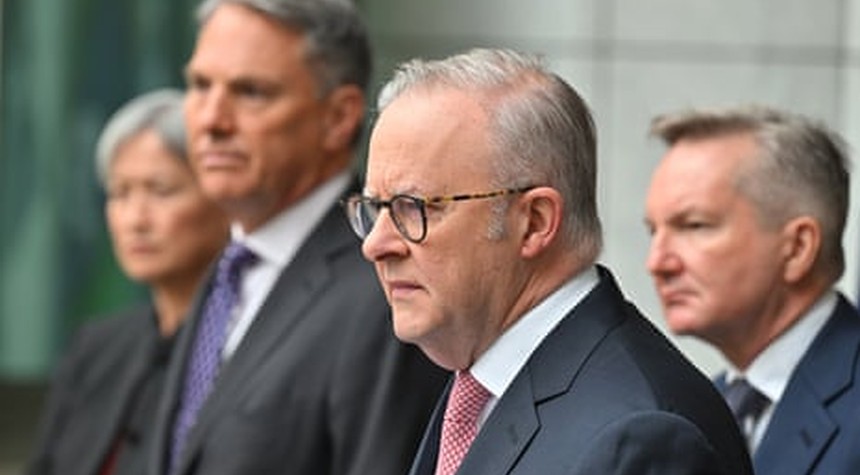
Australian Labor Party members have raised significant concerns within their ranks regarding the government’s hasty endorsement of military strikes against Iran, questioning whether proper consideration was given to international law before offering unreserved support for actions that may have violated established legal frameworks.
The discord emerged during a private meeting of Labor’s left faction following the initial strikes in February, which marked the beginning of a conflict that has since expanded throughout the Middle East region. Until now, these internal disagreements had remained undisclosed, as the Labor caucus publicly maintained unity behind Prime Minister Anthony Albanese, Foreign Affairs Minister Penny Wong, and Defence Minister Richard Marles.
The controversy centers on a statement issued by the three senior ministers on the evening of February 28, mere hours after American and Israeli forces commenced their attack on Iran. The statement declared support for preventing Iran from obtaining nuclear weapons and threatening international peace and security, but notably omitted any reference to international law or the rules-based order that Australia has traditionally championed in foreign affairs.
Several Labor members of parliament privately expressed bewilderment at the government’s rush to endorse military action that legal experts suggested likely violated international norms. The absence of explicit acknowledgment that Iran itself was under bombardment further troubled those who questioned the statement’s carefully constructed language.
This response stood in marked contrast to the government’s previous handling of similar situations. When American forces struck three Iranian nuclear sites in June of the previous year, the Australian government waited nearly twenty-four hours before issuing public support, allowing time for diplomatic consultation and legal review.
Approximately forty-eight hours after the February strikes commenced, members of Labor’s left faction engaged in what multiple sources characterized as a robust debate during their regular parliamentary sitting week meeting. Defence Industry Minister Pat Conroy fielded questions on behalf of Wong, who was not present at the March 2 gathering.
The internal tensions have remained largely concealed from public view as the government has continued its public support for the military action. Ten days into the conflict, the federal government announced it would deploy a specialist surveillance aircraft and provide stocks of air-to-air missiles to assist the United Arab Emirates in defending against Iranian retaliatory strikes.
Albanese has been clear that Australia will not participate in offensive operations against Iran and will not deploy ground troops to the Middle East. However, the Greens party has expressed concern that Australia risks becoming entangled in what they term another protracted American military engagement.
The situation presents a delicate balance for the Labor government, which must navigate between maintaining its alliance with the United States and Israel while addressing legitimate concerns about international law and the precedent set by endorsing military action so swiftly. The private concerns raised by Labor MPs reflect a broader tension within Western democracies about the appropriate response to complex Middle Eastern conflicts.
As the conflict continues to develop across the region, the Australian government’s early positioning may have committed the nation to a course that some within its own ranks believe warranted more careful deliberation. The coming weeks will reveal whether these internal concerns translate into any meaningful shift in Australia’s public stance or whether party discipline will continue to maintain a united front despite private reservations.
Related: Qatar’s Education Minister Rejects Western Concerns Over Women’s Rights