
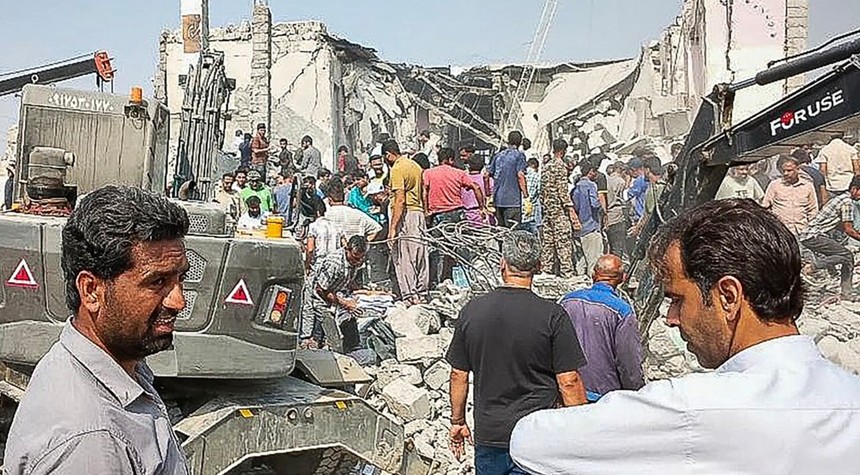
The facts of what occurred on February 28th in the town of Minab, in southern Iran, are as devastating as they are clear. A missile struck an elementary school, killing 168 people, including more than 100 children. Among the dead was seven-year-old Soheil Monazzah, who perished two days before his eighth birthday.
An investigation by Amnesty International has concluded that an American military guided weapon hit the Shajareh Tayyebeh school building directly. The organization has characterized the attack as a serious breach of international humanitarian law. An American official, speaking two weeks after the incident, indicated that the strike may have been based on outdated intelligence.
The human cost of this tragedy extends beyond the statistics. Jafar Qasemi, among the first responders to arrive at the scene, described a haunting tableau of destruction. He recalled the eerie silence that initially hung over the devastated building, comparing the scene to a silent film. The images of children’s bodies, including one child whose face was completely burned while sitting by the school wall, continue to haunt him.
In one particularly poignant detail, Qasemi opened a blood-covered school bag and found an uneaten snack, a stark reminder that these children had been preparing for an ordinary school day. The responder reported that he still smells blood and gunpowder, and the images from that day replay constantly in his mind.
Zahra Monazzah, Soheil’s mother, expressed rage at President Trump and the American government. She referred to her son as a martyr and stated that the bloodshed was not unexpected, given what she characterized as a long history of American actions in the region. Her words reflected a deep-seated anger that appears widespread among the families and community members affected by the attack.
The town of Minab sits in Hormozgan province, near the Strait of Hormuz, through which approximately 20 percent of the world’s oil flowed daily before the current conflict. Despite this strategic location, the region remains one of the most impoverished in Iran. A local education official, speaking on condition of anonymity, drew historical parallels between this attack and what he described as a pattern of American military actions spanning 250 years, from conflicts with indigenous peoples to Vietnam.
The broader context of this incident includes accusations that Iran’s military has itself targeted civilian sites across the Middle East. These mutual allegations underscore the complex and troubling nature of the current conflict.
What remains undisputed is that 168 people, predominantly children, died in a school building on an otherwise ordinary day. The investigation’s findings raise serious questions about intelligence gathering, targeting procedures, and the protection of civilian infrastructure during military operations. As the international community processes these findings, the families in Minab continue to mourn their children and demand accountability for what occurred on that February morning.
Related: Chinese Workers Turn to AI Agents as Economic Slowdown Complicates Job Search