
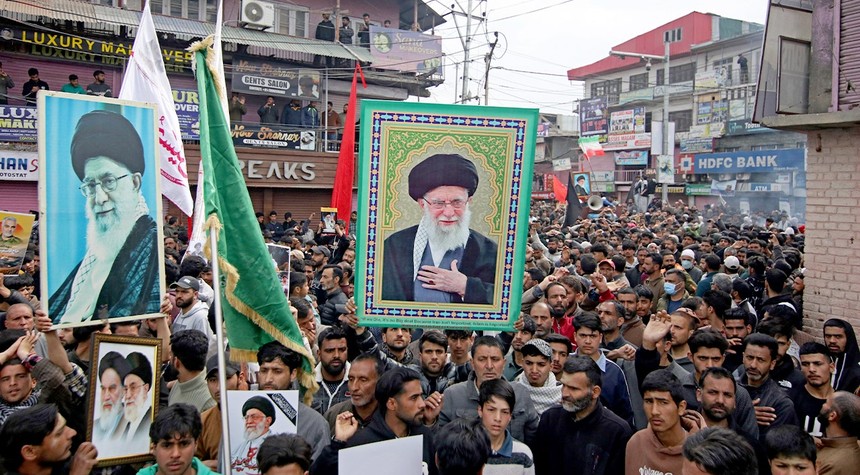
Iran has announced that the burial of Supreme Leader Ali Khamenei will take place on July 9, more than four months after his death in a targeted American military operation. The extended delay has prompted questions about the preservation of his remains and the logistical challenges facing the Islamic Republic as it prepares for what officials describe as a historic funeral ceremony.
The facts are these: Operation Epic Fury commenced on February 28 with a precision strike that killed Khamenei at his compound in Tehran, ending his 36-year rule over the Islamic Republic. The Israeli Defense Forces subsequently released video footage showing strikes on what they identified as Khamenei’s underground bunker, described as one of Iran’s most critical military command centers.
The four-month interval between death and burial represents a significant departure from Islamic tradition, which typically mandates prompt interment and prohibits chemical embalming. Counterterrorism expert Dr. Mohammed Omar has explained that the preservation method almost certainly involves refrigerated cold storage rather than chemical treatment, as Islamic law forbids the latter practice.
According to Islamic scholars, Shia law does permit delayed burial and cold preservation in exceptional circumstances, and clerical authorities can readily grant exemptions for a Supreme Leader. Iran’s forensic facilities routinely preserve bodies for extended periods, making a four-month preservation technically feasible within the framework of what officials term “religious and legal standards.”
The circumstances of Khamenei’s death, however, may complicate the funeral arrangements. The Supreme Leader perished in a bunker-penetration strike, and other casualties from the same attack required weeks of recovery and DNA identification. This has led analysts to question whether an intact body exists for public viewing.
The regime’s behavior suggests potential difficulties. Authorities have canceled initial farewell ceremonies, repeatedly shifted the burial location, and only recently confirmed the funeral date. These actions, according to experts, indicate that while Iran may have preserved remains, they may not be suitable for public display.
Tehran has mobilized the Basij militia and implemented extensive security measures ahead of the anticipated crowds. The government expects substantial turnout for an event it characterizes as historically significant, though the repeated delays and logistical adjustments have raised eyebrows among regional observers.
The transition of power following Khamenei’s death has proceeded with characteristic opacity. His son, Mojtaba Khamenei, has maintained a low profile, with some analysts drawing comparisons to security protocols employed by other targeted leaders who sought to avoid detection.
The July burial will mark the formal conclusion of a leadership era that spanned more than three decades and shaped Iran’s position as a regional power. The Islamic Republic now faces the dual challenge of conducting a state funeral under heightened security while managing questions about the circumstances that have made this extended delay necessary.
As the date approaches, the international community watches closely. The funeral will serve not only as a final ceremony for the departed leader but also as a demonstration of the current regime’s control and organizational capacity during a period of transition and external pressure.
Related: McMaster Warns Iranian Regime Benefiting Most from Diplomatic Talks with United States