
The United States and Iran have entered a dangerous cycle of military strikes and counterstrikes across the Persian Gulf region, with American forces now targeted at multiple installations and President Trump weighing further action against Iranian infrastructure.
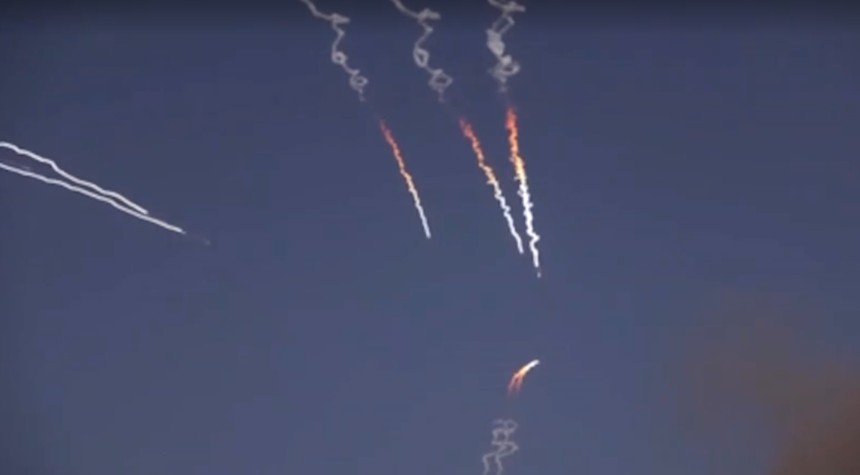
Iran employed what it claims is a new type of drone in Tuesday’s attacks targeting American military installations, including the headquarters of the U.S. Fifth Fleet in Bahrain, according to statements from Iran’s Islamic Revolutionary Guard Corps. The Iranian strikes also targeted Al-Azraq Air Base in Jordan and Ali Al-Salem Air Base in Kuwait, representing a coordinated effort against American military presence across the region.
These Iranian attacks came in direct response to American strikes conducted earlier Tuesday, which themselves followed an extraordinary incident near the Strait of Hormuz. President Trump revealed Wednesday that an Iranian drone caused the downing of a U.S. Army Apache helicopter Monday evening in a manner that can only be described as unprecedented. According to the President, the drone became lodged between the aircraft’s two crew members while the helicopter flew at low altitude. Remarkably, the drone did not explode, and the pilots successfully brought the gunship down with the Iranian device still wedged inside.
Following that Monday evening incident, U.S. Central Command launched what it termed “self-defense strikes” on Iranian targets, setting off the current escalation. President Trump indicated Wednesday that additional strikes may be forthcoming, potentially targeting Iranian power plants and bridges.
Meanwhile, the situation in Lebanon continues to deteriorate despite diplomatic efforts. The Israeli military reported Wednesday that it had eliminated twenty Hezbollah fighters in southern Lebanon over the past two weeks. The Israel Defense Forces stated that its Shahaf unit, operating in coordination with the Israeli Air Force, had struck Hezbollah infrastructure used to launch explosive drones against Israeli forces.
Israeli airstrikes hit the center of Sidon on Wednesday, marking a significant escalation as the city, Lebanon’s largest in the south, had largely been spared from the sustained bombardment affecting other areas. Lebanese state media reported the strike targeted a vehicle in the city center, with witnesses reporting explosions and fire as emergency services responded.
The violence persists despite a ceasefire agreement reached last week between Israeli and Lebanese governments in Washington. However, the Iran-backed Hezbollah organization swiftly rejected the agreement, and hostilities have continued unabated, with both sides exchanging fire for weeks.
The convergence of these conflicts underscores Iran’s regional influence and the interconnected nature of Middle Eastern security challenges. American forces find themselves targeted across multiple nations, while Israel confronts an Iranian proxy force that shows no inclination toward peace despite diplomatic agreements between sovereign governments.
The situation demands careful attention from American policymakers and military planners. With President Trump contemplating expanded strikes against Iranian infrastructure, the potential for wider regional conflict grows more acute. The international community watches closely as these events unfold, understanding that stability in the Persian Gulf region carries implications far beyond the immediate theater of operations.
And that is the way it is.
Related: White House Continues to Predict Imminent Iran Deal Amid Diplomatic Deadlock