
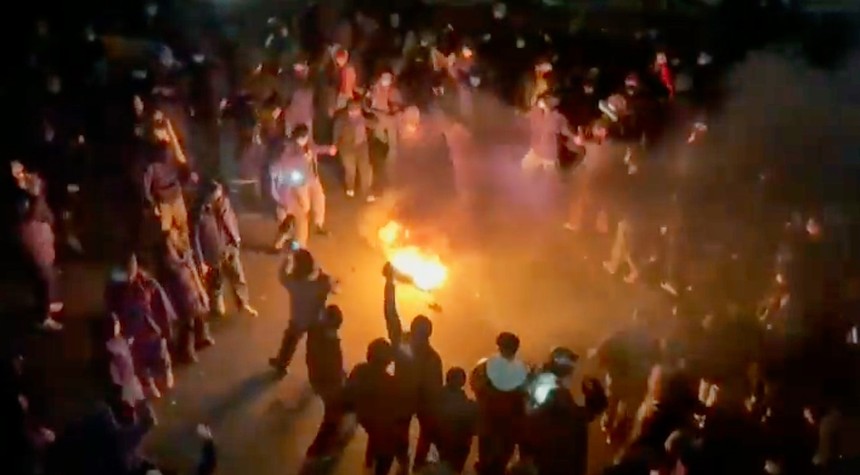
The protests that began in late December across Iran have now entered their fifteenth day, with the human cost of civil unrest mounting significantly. According to data compiled by the Human Rights Activists News Agency, a monitoring organization based in the United States, at least 538 people have died in connection with the demonstrations. The organization reports that 490 of those killed were protesters, while 48 were members of security forces.
More than 10,600 individuals have been arrested since the protests began, according to the same source. These figures, compiled through the work of activists operating both inside and outside Iran, cannot be independently verified. The Iranian government has declined to release official casualty figures, though the state-aligned Tasnim news agency reported Sunday that 109 security personnel had been killed.
The scale and geographic spread of these demonstrations are unprecedented in recent Iranian history. Human rights monitors have documented protest activity in 574 locations spanning 185 cities across all 31 provinces of the Islamic Republic. Video footage obtained from local sources and distributed through social media platforms showed thousands gathered in Tehran’s Punak Square on Saturday evening, despite reported attempts by government security forces to disperse the crowds. Similar large gatherings were documented in Mashhad, a major city in northeastern Iran.
What began as economic protests in downtown Tehran has evolved into something more significant. The initial demonstrations focused on rising inflation and the deteriorating value of the rial, Iran’s national currency. However, as the unrest spread geographically, the nature of the protests shifted. Demonstrators have been heard chanting slogans with explicitly anti-government messages, including calls for students to become the voice of the people and, more provocatively, expressing opposition to the Islamic Republic itself.
The theocratic government, led by Supreme Leader Ayatollah Ali Khamenei, has responded with force. Reports indicate security forces have deployed tear gas and, in some instances, live ammunition against protesters. The authorities have also implemented extensive internet disruptions. The online monitoring organization NetBlocks reported early Sunday that Iran’s internet blackout had exceeded 60 hours, a tactic apparently designed to prevent protesters from organizing and sharing information about the demonstrations.
The Iranian leadership’s response has been twofold. While acknowledging some of the economic grievances that initially sparked the protests, officials have characterized the demonstrators as rioters and claimed the unrest is being orchestrated by foreign powers, particularly the United States and Israel. President Masoud Pezeshkian, in remarks carried by state media Sunday, blamed foreign terrorists for the protests while simultaneously pledging to address economic problems through any means possible.
The situation remains fluid, with the international community watching closely as events unfold in this strategically important nation of more than 80 million people. The sustained nature of these protests, their geographic breadth, and the apparent willingness of demonstrators to continue despite violent suppression suggest Iran faces a moment of profound internal challenge.
Related: Colombia Seeks Congressional Intervention After Trump Threatens Military Action