
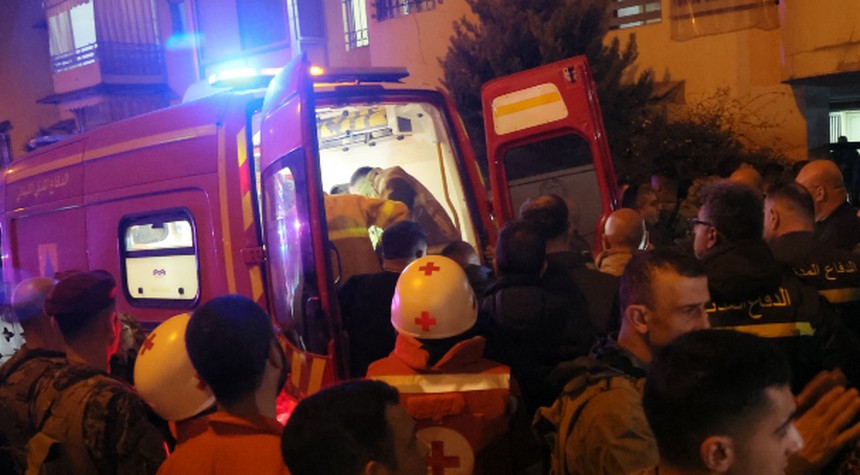
An Israeli airstrike east of Beirut has claimed the lives of a Lebanese Christian political official and his wife, deepening the already profound divisions within Lebanon over Hezbollah’s role in dragging the nation into conflict with Israel.
The Sunday strike targeted an apartment building in Ain Saadeh, a predominantly Christian town in the hills overlooking the Lebanese capital. Three civilians were killed in the operation, including Pierre Moawad, a local official with the Lebanese Forces party, and his wife Flavia. The third victim resided in an apartment below the targeted unit.
The Israel Defense Forces acknowledged the operation and stated it was an unsuccessful attempt to eliminate a Hezbollah operative. Israeli military officials expressed regret for the civilian casualties, a statement that will likely do little to ease tensions in a community already strained by Hezbollah’s decision to enter the war.
What makes this incident particularly significant is the absence of an evacuation warning. Throughout this conflict, Israeli forces have typically issued advance notices to civilians before conducting airstrikes, a practice that has become standard procedure in populated areas. Residents of Ain Saadeh confirmed no such warning was given before Sunday’s strike.
The Lebanese Forces party represents a political tradition born from the chaos of Lebanon’s civil war, when Christian militias banded together to protect their communities. Today, the party stands as one of Hezbollah’s most vocal opponents within Lebanese politics. This opposition is not merely ideological but reflects a fundamental disagreement about Lebanon’s future and its relationship with Iran.
The deaths of Moawad and his wife underscore the cruel reality facing Lebanese Christians and other communities who never supported Hezbollah’s military adventurism. These citizens find themselves caught between an Iranian-backed militant organization that operates as a state within a state and an Israeli military campaign aimed at neutralizing that threat.
Lebanon’s Christian population has long sought to maintain the country’s independence and sovereignty, viewing Hezbollah’s allegiance to Tehran as antithetical to Lebanese national interests. The current conflict has vindicated many of these concerns, as communities throughout Lebanon suffer consequences for decisions made by Hezbollah’s leadership without national consensus or democratic mandate.
The targeting of an apartment building in a Christian area, whether intentional or the result of flawed intelligence, demonstrates how thoroughly Hezbollah has embedded itself throughout Lebanese society. The militant organization’s practice of positioning operatives and infrastructure within civilian areas has made it nearly impossible to conduct military operations without risking innocent lives.
As this war continues, the internal Lebanese reckoning over Hezbollah’s power and influence grows more urgent. Christian communities, Sunni Muslims, Druze, and many Shiites who reject Hezbollah’s ideology all face the same dilemma: how to reclaim their country from an organization that has consistently prioritized Iranian interests over Lebanese welfare.
The deaths in Ain Saadeh will not be the last such tragedy, but they serve as a stark reminder that Lebanon’s crisis extends far beyond the immediate military conflict with Israel.
Related: Pope Leo XIV Delivers First Easter Message Calling for Global Peace