
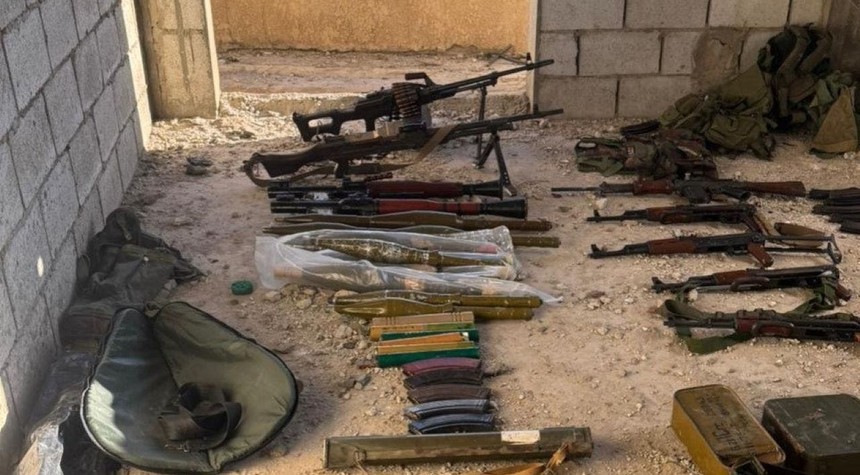
Israeli military forces conducted an operation this weekend at a hospital in southern Lebanon, reporting the discovery of weapons, ammunition, and explosives they attribute to Hezbollah militants. The operation took place in the Bint Jbeil municipality and resulted in what Israeli officials describe as approximately twenty terrorist casualties.
The Israel Defense Forces stated that over the past twenty-four hours, they struck more than two hundred Hezbollah targets throughout Lebanon. The hospital operation represents a particularly sensitive development in the ongoing conflict, raising questions about the conduct of warfare in civilian areas and the application of international humanitarian law.
According to Israeli military statements, Hezbollah forces were observed conducting surveillance operations and firing upon Israeli troops from within the hospital compound. The IDF asserts that the militant organization has systematically violated international law by using medical facilities for military purposes.
Israeli authorities indicated they provided advance warning to Lebanese officials through multiple channels, making clear that military activities within hospitals must cease. Despite these warnings, Israeli forces claim Hezbollah continued utilizing the facility for combat operations.
The evidence presented by Israeli forces includes photographic documentation of the alleged weapons cache discovered within the medical facility. Such discoveries, if verified, would constitute serious violations of the Geneva Conventions, which strictly prohibit the military use of hospitals and protected medical facilities.
This operation continues despite a ceasefire agreement reached this week between the United States and Iran. The Israeli government has maintained that operations against Hezbollah in Lebanon fall outside the scope of that particular agreement and remain necessary for national security.
The use of hospitals and civilian infrastructure for military purposes represents one of the most contentious issues in modern warfare. International humanitarian law provides clear protections for medical facilities, but those protections can be forfeited when such facilities are used for military operations. The challenge for international observers lies in verifying claims and counter-claims in active combat zones.
Lebanese authorities have not yet issued a formal response to the Israeli allegations or the military operation. The international community continues to monitor the situation closely, particularly given the fragile nature of regional ceasefires and the potential for escalation.
The Bint Jbeil area has been a focal point of conflict between Israeli forces and Hezbollah for years, dating back to the 2006 Lebanon War. The municipality sits near the Israeli border and has strategic significance for both sides.
As diplomatic efforts continue to stabilize the broader region, incidents such as this hospital operation underscore the complex challenges facing peacekeepers and negotiators. The fundamental question remains whether existing ceasefire frameworks can hold when core security concerns persist and allegations of international law violations continue to emerge from the battlefield.
Related: Ukraine Confirms Successful Deployment of Anti-Drone Forces to Middle East