
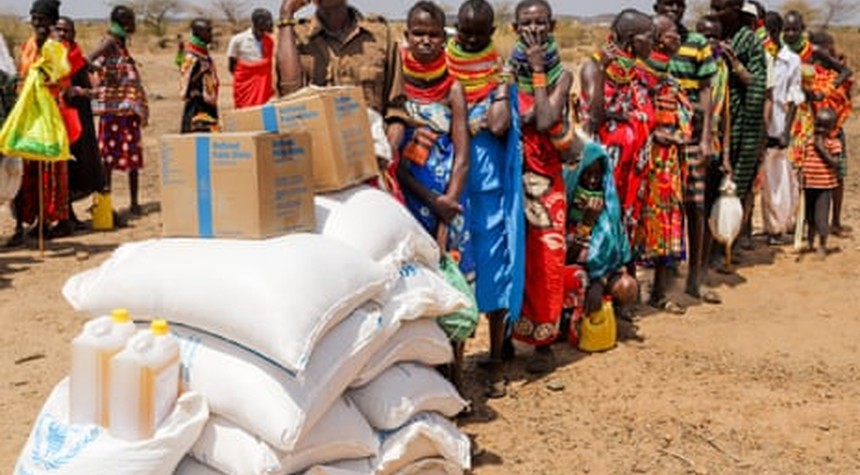
Britain faces a substantial shortfall in meeting its already diminished foreign aid commitments, with new projections indicating the government will miss its spending target by approximately 400 million pounds by the end of 2027.
The Center for Global Development has calculated that the United Kingdom is on track to spend only 0.29 percent of national income on official development assistance, falling short of the government’s stated target of 0.3 percent. Under certain economic scenarios, researchers suggest the shortfall could reach as much as 580 million pounds, reducing aid spending to just 0.28 percent of national income.
These figures represent more than accounting discrepancies. They translate to tangible consequences in communities that depend on British assistance for essential services, from clean water infrastructure to educational programs and medical supplies.
The projected shortfall stems from two primary factors. First, inflation has exceeded Treasury projections, artificially inflating national income figures beyond what officials anticipated during the spending review. Second, policy changes implemented in 2025 regarding the Foreign, Commonwealth and Development Office budget have constrained available resources for international development programs.
Ian Mitchell, who serves as senior fellow at the Center for Global Development and co-directs its Europe programme, characterizes these as material shortfalls with serious implications. His analysis suggests that closing even a 400 million pound gap would be sufficient to prevent severe reductions in African programs that humanitarian organizations warn could cost thousands of lives. Without corrective measures, Britain faces what amounts to a de facto withdrawal from substantial portions of southern and eastern Africa.
The current 0.3 percent target itself represents a dramatic retreat from the Labour Party’s election manifesto promise of 0.7 percent of national income devoted to foreign aid. Prime Minister Keir Starmer downgraded that commitment to allocate additional resources toward defense spending, a decision that reflected changing strategic priorities but disappointed development advocates.
Members of Parliament from the governing party have expressed concern about the trajectory. Fleur Anderson, who previously served as a minister and now sits on the foreign affairs select committee, advocates for increased development spending in the upcoming budget. She frames the issue in stark terms, noting that falling short of commitments means girls removed from schools, vaccines left undelivered, and peace programs in conflict zones eliminated.
Charitable organizations working in affected regions have consistently warned that Britain’s aid reductions will disproportionately harm the world’s most vulnerable populations. Recent figures from the Foreign, Commonwealth and Development Office confirm these concerns, showing that cuts under the current government have fallen heaviest on the poorest nations while higher-income countries maintain relatively larger shares of available aid.
The situation presents British policymakers with a choice between upholding international commitments or accepting the reputational damage and humanitarian consequences of falling short. With budget decisions imminent, ministers have an opportunity to allocate supplementary funds that would close the gap and maintain Britain’s standing as a reliable development partner.
The question facing Westminster is whether the government will match its rhetoric about Britain’s global role with the financial resources necessary to fulfill that vision, or whether fiscal pressures will force further retreat from international development obligations that were once considered inviolable commitments of British foreign policy.
Related: Israeli Forces Conduct Extensive West Bank Operations Following Deadly Hebron Attack