
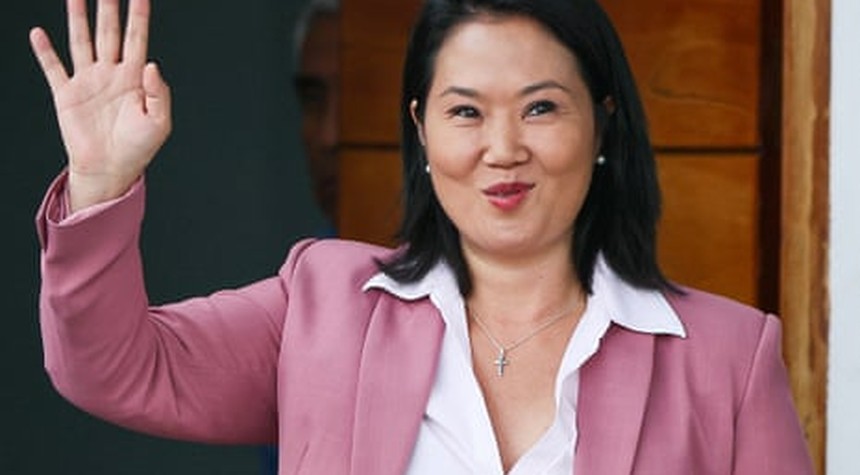
Peru has elected Keiko Fujimori as its next president following one of the closest electoral contests in the nation’s history, marking another significant shift toward conservative governance across Latin America.
The 51-year-old daughter of the late President Alberto Fujimori secured victory in the June 7 runoff election by fewer than 50,000 votes out of more than 18 million ballots cast, defeating left-wing candidate Roberto Sanchez. Peru’s National Electoral Jury spent weeks reviewing contested ballots before the results were finalized, with an official announcement scheduled for July 3.
“Each time we draw closer to starting on the path of order and hope for all Peruvians,” Fujimori stated following her proclaimed victory.
This marks Fujimori’s fourth attempt at the presidency, a persistence that has finally yielded success in a nation desperate for stability. The campaign centered on two critical issues confronting Peru: escalating crime rates and chronic political instability that has plagued the Andean nation through eight different presidents in the past decade.
With extortion gangs proliferating and contract killings on the rise, Fujimori promised voters a firm approach to law enforcement, reminiscent of her father’s iron-fisted governance style. Alberto Fujimori earned international recognition for defeating Maoist insurgents and controlling hyperinflation during his tenure. However, his legacy remains deeply controversial. He was subsequently disgraced, exiled, and imprisoned for corruption and crimes against humanity committed during his anti-terrorism campaigns.
The younger Fujimori’s path to power has been complicated by this complex family legacy. The Fujimori name provides instant recognition, a dedicated voter base, and extensive political networks throughout Peru. Yet it simultaneously presents a significant obstacle. Millions of Peruvians maintain bitter memories of her father’s authoritarian rule and have consistently refused to support any candidate bearing the Fujimori surname, contributing to her three previous electoral defeats.
Sanchez had not publicly responded to the announcement of results at the time of reporting. During the vote count, he briefly held the lead before Fujimori overtook him. The left-wing candidate previously warned he would not recognize a Fujimori-led government, citing alleged administrative irregularities in the processing of overseas ballots.
Throughout the campaign, Fujimori made deliberate efforts to soften her historically confrontational public image. She first entered Peru’s political consciousness at age 19, assuming the role of first lady after her mother publicly separated from the then-president. She subsequently pursued education in the United States, training as a business administrator.
Critics have attributed much of Peru’s recent political instability to Fujimori and her party, Fuerza Popular, pointing to the organization’s substantial influence and dealmaking within the national congress. These accusations have followed her throughout her political career and contributed to the razor-thin margin of her victory.
Fujimori will assume office on July 28 for a five-year term, inheriting a nation facing significant challenges in security, governance, and economic stability. Her victory represents the latest example of Latin America’s broader political realignment toward conservative leadership, a trend that continues to reshape the region’s political landscape.
The question now facing Peru is whether Fujimori can deliver on her promises of order and stability without repeating the authoritarian excesses that defined her father’s controversial presidency.
Related: South Korea’s Proposed Platform Law Could Cost American Companies $525 Billion