
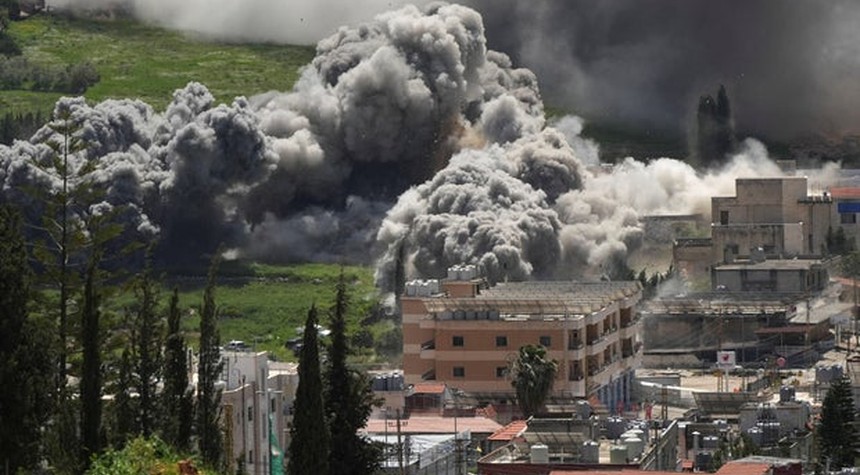
The delicate diplomatic balance in the Middle East remained on display this week as Lebanese President Joseph Aoun navigated communications with both Washington and Jerusalem while a tenuous ceasefire with Iran continues to hold.
President Aoun’s office confirmed Thursday that he received a telephone call from Secretary of State Marco Rubio, during which the Lebanese leader expressed gratitude for American efforts to secure a lasting ceasefire and for Washington’s continued support. According to the official statement, Rubio reaffirmed the United States’ commitment to achieving a permanent cessation of hostilities as the foundation for restoring peace, security, and stability throughout Lebanon.
The conversation took on added significance when Lebanese media sources reported that President Aoun informed Secretary Rubio he would not be participating in a scheduled call with Israeli Prime Minister Benjamin Netanyahu. This development contradicted earlier statements from President Trump, who had indicated such a conversation would take place. Israeli intelligence sources had similarly anticipated the discussion between the two leaders.
At the Pentagon, Secretary of Defense Pete Hegseth provided a sobering assessment of Iran’s current military posture. The new Iranian supreme leader, Ayatollah Mojtaba Khamenei, remains alive but wounded and disfigured from the same airstrike that killed his father and predecessor during the initial wave of joint American-Israeli operations that precipitated the current conflict.
Secretary Hegseth characterized Iran’s command and control capabilities as “highly degraded” and assessed Tehran’s motivation to maintain the ceasefire as “very high,” given that any violation would trigger immediate military response. The strategic calculation appears straightforward: Iran’s diminished ability to coordinate military operations, combined with the threat of overwhelming retaliation, creates powerful incentives for restraint.
“They have a high incentive to maintain that ceasefire even though they can’t talk and organize as well as they’d like to,” Hegseth told reporters at the Pentagon.
The Secretary of Defense also addressed the international response to ensuring freedom of navigation through the Strait of Hormuz, expressing frustration with allied nations beyond the Persian Gulf region. Apart from regional partners, Hegseth noted that other countries close to the United States “have talked a lot and haven’t done anything.” His message was direct: the world cannot indefinitely depend on American military power to shoulder the burden of maintaining international commerce and security.
Admiral Brad Cooper, commander of United States Central Command, joined the Pentagon briefing after returning from the Middle East, assuring reporters that American forces remain “highly motivated, focused, vigilant and ready.” More than halfway through the two-week ceasefire with Iran, Admiral Cooper indicated that U.S. forces are using the pause to rearm, retool, and refine tactical procedures.
Chairman of the Joint Chiefs of Staff General Dan Caine emphasized that despite the current ceasefire, American military forces stand “postured and ready to resume major combat operations at literally a moment’s notice.” General Caine provided details on the ongoing naval blockade, which applies to all vessels regardless of nationality heading to or from Iranian ports, as well as any ships subject to American sanctions or suspected of carrying contraband.
The situation remains fluid, with diplomatic channels active even as military preparations continue. What emerges clearly from these developments is that American resolve remains firm while diplomatic options stay open.
Related: Britain Doubles Sudan Aid as 19 Million Face Starvation in Third Year of Civil War