
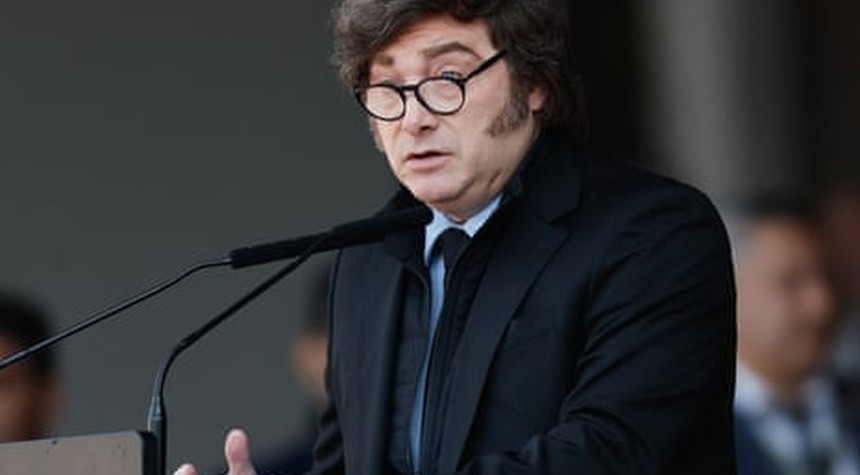
More than a week after Spain’s victory over Argentina in the World Cup final, the tournament continues to generate controversy far beyond the soccer pitch. Argentine President Javier Milei has escalated his claims of an organized campaign against his nation, now alleging that the United States Democratic Party and the governments of Brazil and Mexico financed coordinated criticism of Argentina’s team and supporters.
The far-right president made these assertions during a radio interview on Sunday, characterizing the purported effort as the work of “progressive minds who do not want the ideas of freedom to succeed.” Milei specifically claimed that Brazil’s government, led by leftist President Luiz Inácio Lula da Silva, provided the largest portion of funding for this alleged campaign.
The controversy stems from widespread criticism Argentina faced during the tournament regarding incidents of racist behavior among some supporters. Hours before the final match, American actor Samuel L. Jackson posted a message discouraging support for Argentina, calling it “one of, if not the most, racist countries in the world.”
Such accusations have struck a nerve in Argentina, even among citizens who do not support Milei’s politics. Pablo Torres, a Buenos Aires bookseller who stated he has never voted for the president, described feeling outrage at what he perceived as a social media bombardment against his country. He noted the irony of racism accusations coming from nations with their own troubled histories of slavery and colonization.
The situation has prompted responses from various quarters. Amnesty International Argentina acknowledged the existence of racism within the country while criticizing attempts to reduce Argentina to a stereotype. Milei himself initially attributed the criticism to domestic opposition forces that had “validated the woke movement that is now accusing us of being racist.”
The president has not confined his accusations to rhetoric within Argentina’s borders. This past weekend, while attending a campaign event in Brazil for far-right Senator Flávio Bolsonaro, Milei continued to point fingers at the Brazilian government for its alleged role in the supposed anti-Argentina campaign. The senator is the son of former President Jair Bolsonaro and represents the primary challenge to President Lula in October’s presidential election.
Political analysts in Argentina suggest Milei has embraced this narrative as a means of deflecting attention from domestic challenges, particularly his declining popularity ratings. Critics argue that the president’s severe austerity measures represent a more genuine threat to Argentina’s well-being than any external campaign.
The incident highlights the increasingly complex intersection of international sports, social media, and geopolitics. What began as criticism of fan behavior during a soccer tournament has evolved into claims of international conspiracy involving multiple governments and political parties across the Western Hemisphere.
Whether Milei’s allegations carry any substance remains unclear, as he has provided no evidence to support his claims of foreign financing. What is certain is that the controversy has succeeded in keeping Argentina in international headlines well after the final whistle blew on its World Cup aspirations.
The matter also underscores the challenges facing Argentina as it navigates both domestic economic difficulties and its place in the international community. How this episode affects the nation’s diplomatic relationships with Brazil, Mexico, and the United States remains to be seen.
Related: Powerful Earthquake Strikes Southern Japan, Trapping Dozens in Collapsed Shopping Mall