
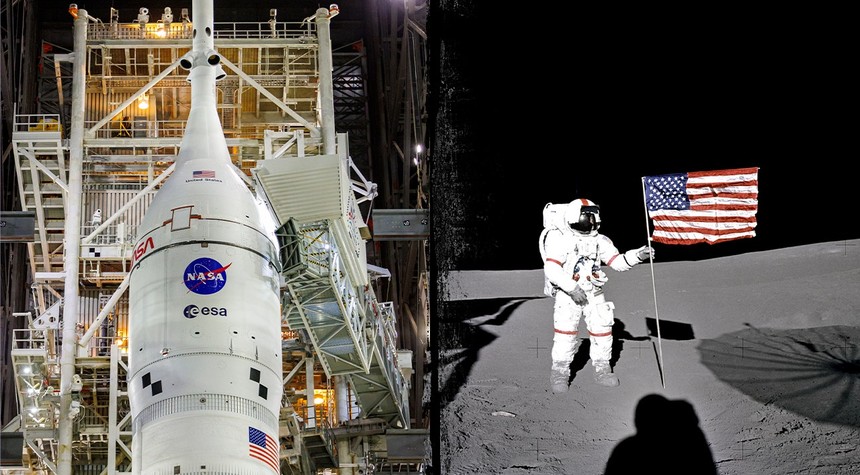
The United States is embarking on an ambitious return to the moon, this time with intentions far beyond the historic landings of the Apollo era. NASA has announced plans for a permanent lunar base, representing a fundamental shift in American space strategy as competition with China intensifies beyond Earth’s orbit.
The Trump administration has proposed approximately $20 billion for the construction of this lunar outpost, marking a departure from previous plans that centered on a space station orbiting the moon. Instead, the focus now rests on establishing infrastructure directly on the lunar surface, creating what officials envision as a sustained American presence in deep space.
NASA Administrator Jared Isaacman articulated the distinction between past and present objectives with clarity. The goal is no longer merely symbolic achievement, but rather permanent establishment. The intention is to remain on the moon, not simply to visit it.
Casey Dreier, chief of space policy at the Planetary Society, explained the strategic reasoning behind a lunar base. Such an installation would serve as a focal point for American efforts extending beyond Earth’s immediate vicinity into the broader expanse of space. The comparison to research stations in Antarctica proves apt. Just as those facilities enable sustained scientific work in an extreme environment, a moon base would allow the United States to store supplies, develop infrastructure, and expand capabilities over time in ways that an orbiting station cannot match.
This strategic recalibration represents a significant change from NASA’s earlier Artemis program, which emphasized the Gateway project. That proposed orbital station was designed as a staging point and communications hub for lunar operations, but it faced persistent delays, funding uncertainties, and growing questions about its practical necessity. Resources once allocated to Gateway are now being redirected toward surface infrastructure.
The technical and financial challenges remain considerable. When asked whether $20 billion would suffice for constructing and maintaining a lunar base, Dreier expressed skepticism. The budget level is ambitious, he noted, as is the roughly seven-year timeline. The technical demands of sustained lunar operations suggest the effort will likely begin with a limited initial presence that expands gradually over time.
The urgency driving these plans stems partly from China’s rapid advancement in space capabilities. Chinese robotic missions have successfully returned samples from the lunar surface to Earth, demonstrating technical sophistication that underscores the competitive nature of modern space exploration. China aims to land astronauts on the moon within the coming years, adding pressure to American timelines.
The contrast with the space race of the 1960s is instructive. Then, the objective was demonstration of technological superiority through achievement of specific milestones. Now, the goal involves establishing permanent infrastructure that enables sustained operations and serves as a foundation for deeper space exploration.
Whether the proposed budget and timeline prove realistic remains to be seen. What is clear is that American space policy has entered a new phase, one defined not by brief visits but by the intention to establish a lasting presence beyond Earth. The success of this endeavor will depend on sustained funding, technical innovation, and political will across multiple administrations.
And that is the way it is in the new era of American space exploration.
Related: Iran Establishes Toll System Through Strait of Hormuz as Shipping Traffic Plummets