
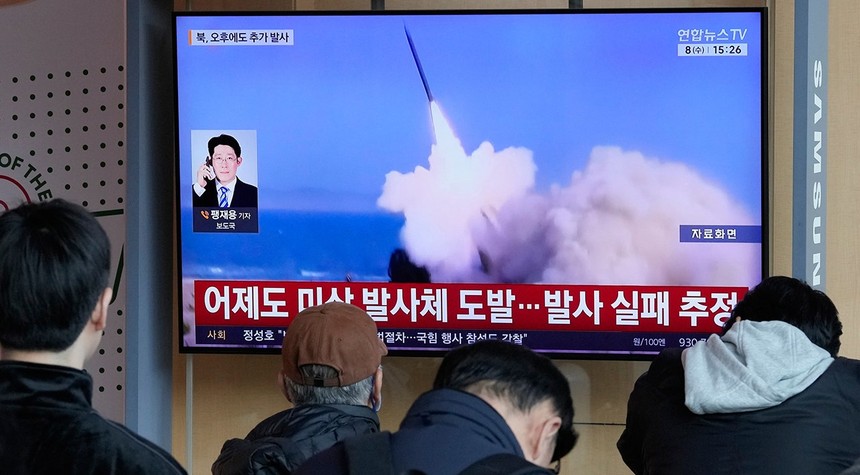
North Korea conducted multiple short-range ballistic missile launches toward its eastern waters Wednesday morning, marking the second such military exercise in as many days, according to South Korea’s joint chiefs of staff. The launches come amid deteriorating diplomatic prospects between Pyongyang and Seoul.
South Korean military officials reported that several missiles lifted off from the Wonsan area along North Korea’s eastern coast Wednesday morning. These projectiles traveled approximately 240 kilometers before landing in the sea. A subsequent launch later that same day saw an additional ballistic missile travel more than 700 kilometers off the North’s eastern coastline.
The timing of these launches carries particular significance. They occurred just hours after a senior North Korean official issued harsh rhetoric directed at South Korea’s government, dismissing Seoul’s stated interest in improving inter-Korean relations. The crude nature of these statements underscores the widening diplomatic gulf between the two nations.
Tuesday’s launch appears to have ended in failure. South Korean military radar systems detected an unidentified projectile launched from North Korea’s capital region, but the object disappeared from tracking systems after displaying what officials described as abnormal behavior during its initial launch phase. South Korean media outlets, citing military sources, assessed that this launch did not succeed.
The rapid succession of these missile tests represents a notable escalation in North Korean military activities. The regime in Pyongyang has historically used such demonstrations as both military exercises and political messaging, particularly when diplomatic channels have grown cold or when seeking to assert its position on the Korean Peninsula.
South Korea’s joint chiefs of staff issued a statement affirming the nation’s military readiness to counter any provocations from the North. The statement emphasized that this preparedness operates within the framework of South Korea’s military alliance with the United States, a partnership that has anchored regional security architecture for seven decades.
The missile launches present a familiar challenge to the international community. North Korea’s ballistic missile program has advanced considerably over the past decade despite multiple rounds of international sanctions designed to curtail such development. The regime views these weapons as essential to its security and as leverage in any future negotiations with Washington and Seoul.
For the United States, these latest launches serve as a reminder that the North Korean nuclear and missile challenge remains unresolved. Previous diplomatic efforts, including high-profile summits, have failed to produce lasting agreements that would verifiably limit or dismantle North Korea’s weapons programs.
The situation on the Korean Peninsula remains one of the world’s most volatile security flashpoints. With North Korea possessing nuclear weapons and an expanding arsenal of delivery systems, any miscalculation could have catastrophic consequences. The latest round of missile tests suggests that Pyongyang sees little benefit in diplomatic engagement at present, choosing instead to advance its military capabilities while keeping its neighbors and the broader international community on edge.
The coming days will reveal whether this represents a limited testing cycle or the beginning of a more sustained period of military demonstrations from North Korea.
Related: Israeli Airstrike Kills Lebanese Christian Official Near Beirut