
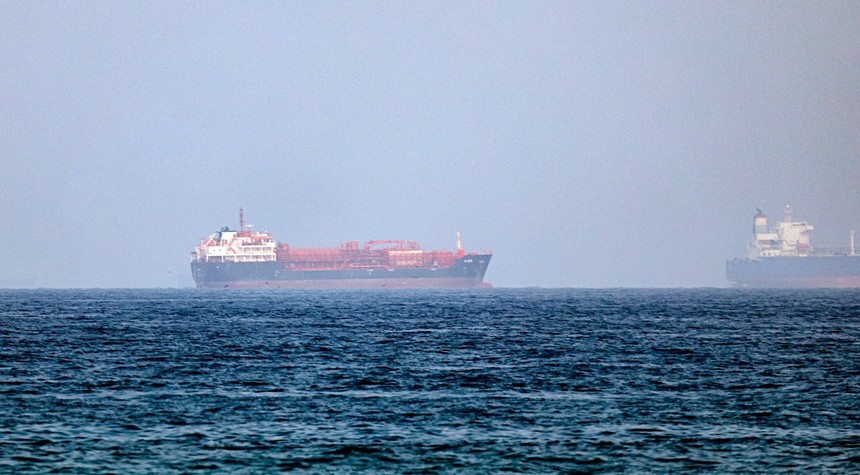
The global energy markets experienced significant turbulence Thursday as oil prices surged more than 6 percent, crossing the $100 per barrel threshold for the first time since May. The spike followed reports that Houthi militants operating from Yemen struck two Saudi Arabian oil tankers in the Red Sea, compounding an already volatile situation in the Middle East.
Brent crude futures, the international benchmark for oil trading, briefly exceeded $100 per barrel Thursday morning before settling at $99.70. This represents a striking 28 percent increase over the past month alone, pushing crude prices to levels not witnessed since late May. The magnitude of this price movement places it among the most severe oil shocks in recent history.
American financial markets responded swiftly to the energy crisis. The Dow Jones Industrial Average declined 375 points, representing a 0.7 percent loss. The broader S&P 500 index fell by an identical margin, while the technology-focused Nasdaq Composite suffered a more pronounced 1.4 percent decline. These losses underscore the deep interconnection between energy costs and broader economic stability.
The immediate impact on American consumers has become evident at fuel pumps nationwide. The average price for a gallon of gasoline now stands at $4.09, having crossed the $4 threshold earlier this week. Given that crude oil costs constitute the primary component of gasoline prices, further increases appear likely should the current trajectory continue.
The recent surge marks a dramatic reversal from conditions just weeks ago. Last month, oil prices had fallen to their lowest levels since before the Iran conflict erupted in late February, buoyed by news of a preliminary agreement to end hostilities. That fragile diplomatic progress now appears imperiled by renewed military action between the United States and Iran.
The strategic importance of Middle Eastern shipping lanes cannot be overstated. The Strait of Hormuz, a critical maritime chokepoint, facilitates the transport of approximately one-fifth of the world’s oil supply. Shipping traffic through this vital waterway has declined sharply in recent weeks as the conflict has intensified.
The United States last week resumed its naval blockade of the Strait, reversing a key concession made during peace negotiations. This decision followed Iranian attacks on oil tankers attempting to navigate the passage. The American military action, while justified as defensive, has effectively stalled the diplomatic process.
Saudi Arabia, the world’s leading oil exporter, had relied on an alternative route to circumvent the Strait of Hormuz. A pipeline stretching across the kingdom allows crude to reach the Red Sea, where tankers load cargo for global distribution. Wednesday’s reported Houthi attack threatens this critical backup route, potentially constraining Saudi Arabia’s ability to supply international markets.
The convergence of these factors presents a troubling scenario for the global economy. Energy costs influence virtually every sector of economic activity, from manufacturing to transportation to agriculture. Sustained elevated oil prices could dampen economic growth worldwide while simultaneously fueling inflationary pressures that have only recently begun to moderate.
The situation demands careful monitoring in the days ahead. Any further escalation in the Middle East could drive prices higher still, with profound consequences for American consumers and the broader international economy.
Related: Nicaraguan President Announces Permanent End to Electoral Process