
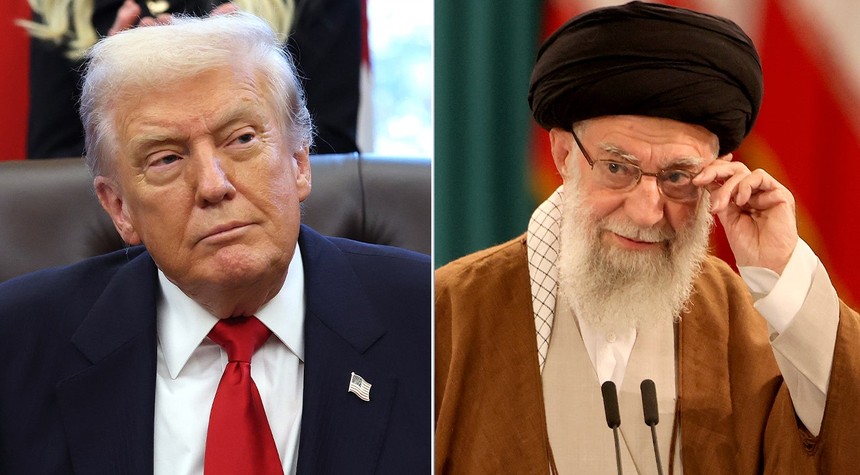
President Donald Trump indicated Friday that indirect nuclear negotiations with Iran have produced encouraging results, though he cautioned that significant work remains before any agreement can be finalized.
Speaking to reporters aboard Air Force One, the president characterized the Oman-mediated talks as “very good” and suggested that Iranian officials appear increasingly motivated to reach a diplomatic resolution.
“Iran looks like it wants to make a deal very badly. We’ll have to see what that deal is. But I think Iran looks like they want to make a deal very badly, as they should,” Trump said. He noted that Tehran had previously shown reluctance to negotiate but appeared to have reconsidered its position.
The president’s remarks came as American and Iranian representatives held separate meetings with Omani officials in Muscat on Friday. According to Oman’s Foreign Ministry, these sessions focused on establishing appropriate conditions for resuming both diplomatic and technical negotiations between the two nations.
The diplomatic outreach occurs against a backdrop of heightened military posturing. Trump confirmed that the United States has deployed what he described as a “big Armada” toward the region, a naval presence he has referenced on previous occasions. The deployment serves as a reminder of the potential consequences should negotiations fail.
When questioned about the timeline for reaching an agreement, the president demonstrated a willingness to allow the process to unfold without artificial deadlines. He drew a comparison to the administration’s approach toward Venezuela, where patience ultimately yielded results.
“It can be reached. Well, we have to get in position. We have plenty of time. If you remember Venezuela, we waited around for a while, and we’re in no rush,” Trump explained.
However, the president made clear that American patience should not be mistaken for weakness. “They know the consequences if they don’t make a deal. The consequences are very steep,” he said, referring to Iranian leadership.
The talks represent a significant diplomatic initiative in a relationship that has remained adversarial for more than four decades. Oman has historically served as a reliable intermediary between Washington and Tehran, having facilitated preliminary discussions that led to the 2015 nuclear agreement during the Obama administration.
The current negotiations involve high-level American representatives, including presidential special envoy Steve Witkoff and negotiator Jared Kushner, who met with Omani Foreign Minister Sayyid Badr Hamad Al Busaidi ahead of the broader discussions.
The substance of any potential agreement remains unclear, though previous negotiations have centered on Iran’s nuclear enrichment capabilities, international inspections, and the lifting of economic sanctions. The Trump administration has consistently maintained that any deal must address concerns beyond Iran’s nuclear program, including its ballistic missile development and regional activities.
As these diplomatic efforts continue, the international community watches closely. The outcome will have significant implications not only for American-Iranian relations but for regional stability throughout the Middle East and beyond.
The president’s optimistic assessment suggests movement toward dialogue, though the path to a comprehensive agreement remains uncertain. What appears evident is that both nations recognize the potential benefits of diplomacy over confrontation.
Related: Taiwan Stands Firm on US Partnership as Beijing Demands End to Arms Transfers