
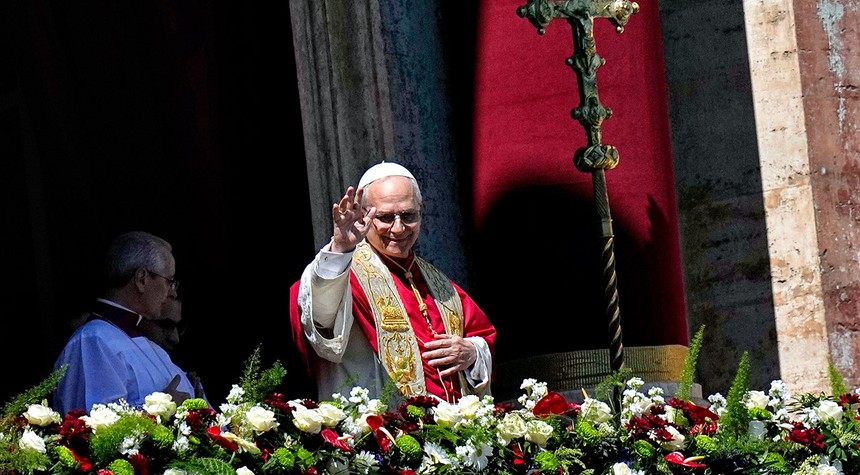
Pope Leo XIV delivered his first Easter blessing as pontiff on Sunday, issuing a solemn appeal for peace and warning against the growing indifference to tens of thousands of deaths in violent conflicts worldwide.
The new pope offered the traditional Urbi et Orbi blessing, Latin for “to the city of Rome and to the world,” from the central balcony of St. Peter’s Basilica. Vatican officials reported that more than 50,000 people gathered in St. Peter’s Square to witness the historic moment.
In his address, Leo XIV spoke with gravity about a world wounded by warfare and human cruelty. The pontiff expressed particular concern about what he characterized as a dangerous numbness settling over global consciousness, a troubling tendency to accept violence as routine and to regard mass casualties with detachment.
“On this day of celebration let us abandon every desire for conflict, domination, and power and implore the Lord to grant his peace to a world ravaged by wars and marked by a hatred and indifference that makes us feel powerless in the face of evil,” the pope stated.
The message carries weight at a moment when multiple conflicts continue to exact heavy tolls on civilian populations. From ongoing tensions in the Middle East to regional conflicts that have displaced millions, the international community faces no shortage of humanitarian crises demanding attention and action.
The pope’s words reflect a longstanding Vatican tradition of using major religious occasions to address pressing global concerns. The Urbi et Orbi blessing, delivered only on Christmas and Easter and on special occasions, represents one of the Catholic Church’s most significant public pronouncements. It traditionally includes prayers for peace and calls for resolution to international conflicts.
For Pope Leo XIV, this first Easter address establishes an early theme of his papacy. His emphasis on combating indifference suggests a pastoral approach focused on awakening moral consciousness and encouraging active engagement with global suffering rather than passive acceptance.
The new pontiff’s appeal comes as Western nations grapple with competing foreign policy priorities and growing public fatigue over protracted international engagements. His call to resist indifference may resonate particularly with those who believe moral clarity and humanitarian concern must remain central to international relations, even amid complex geopolitical calculations.
The Easter blessing concluded the Holy Week observances, the most significant period in the Catholic liturgical calendar. The pope presided over Easter Mass in St. Peter’s Square before delivering his address to the assembled faithful and the world beyond.
As Pope Leo XIV begins his tenure, his Easter message signals an intention to use the moral authority of his office to address what he perceives as a crisis of conscience in global affairs. Whether his words will translate into renewed attention to forgotten conflicts and suffering populations remains to be seen, but his opening salvo leaves no doubt about where he believes the world’s attention should focus.
Related: Kenyan Security Personnel Accused of Sexual Exploitation in Haiti Operation